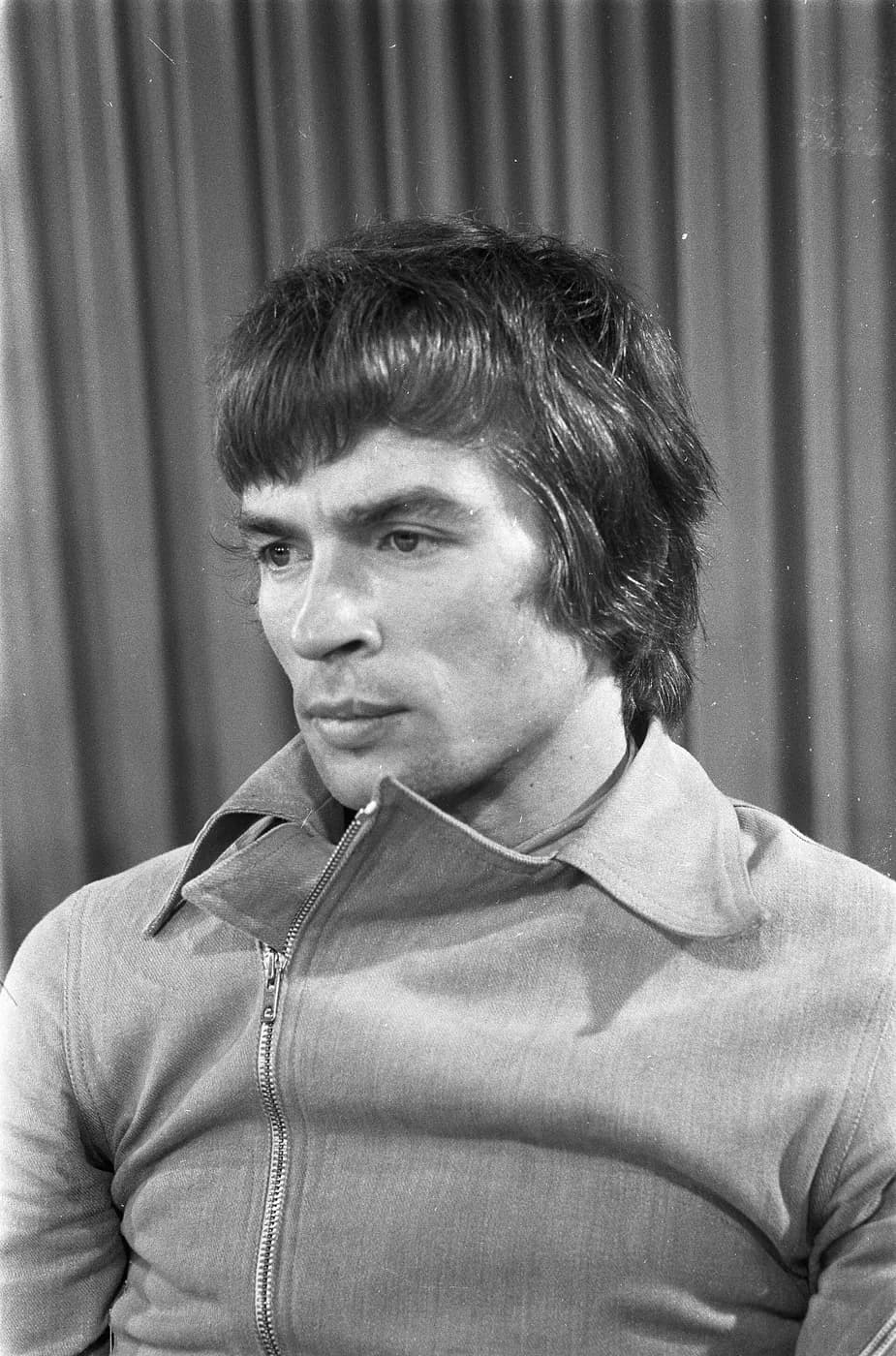
 Schiphol, Amsterdam, 1968
Rudolf Nureyev
What was hidden behind the legend of the greatest dancer?
“Not you.”
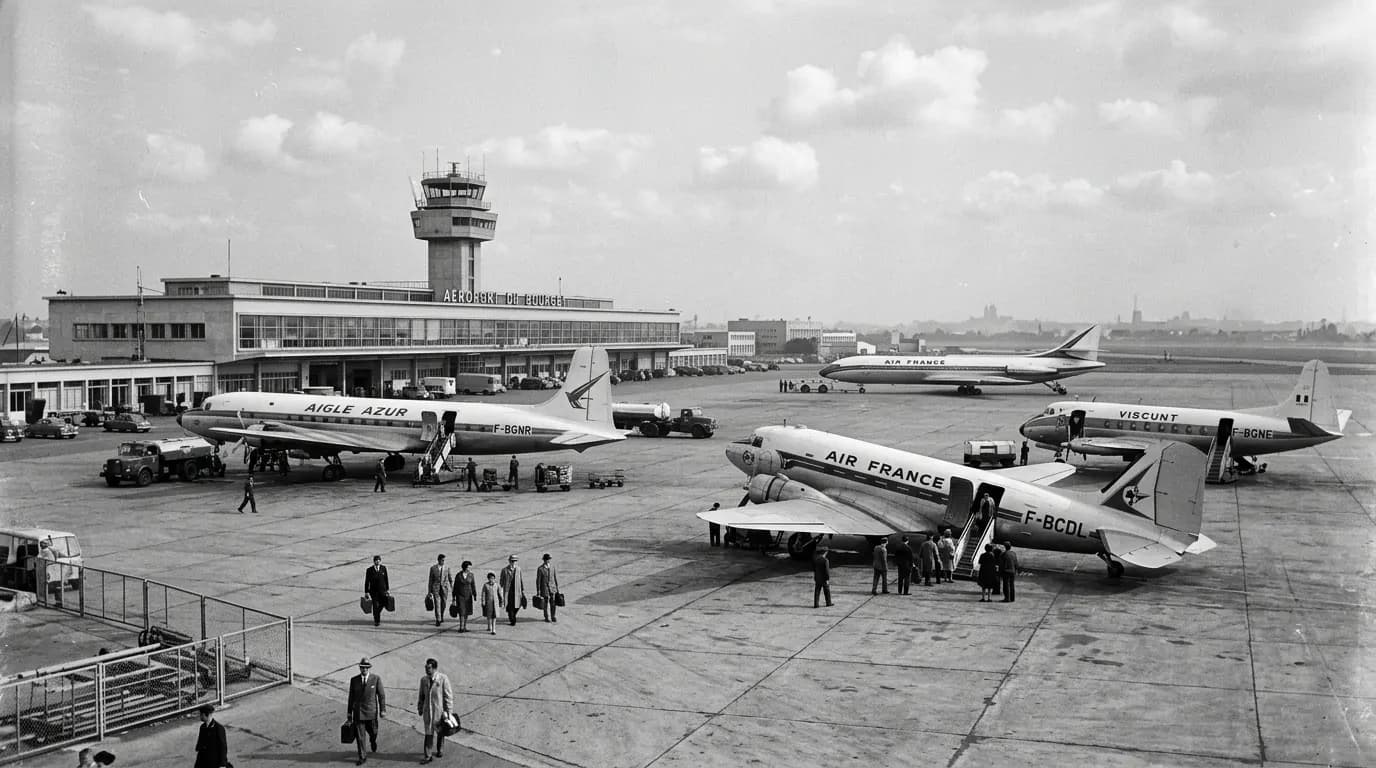
Le Bourget airport. A hundred dancers of Leningrad’s Kirov Ballet are about to fly on to London. At the last moment one of them is stopped. Not you. You are going back to Moscow.
He is twenty-three, and he knows what that means: dancers sent home like this are never let out again. A few steps away stand two French policemen. Right beside him stands a Soviet minder. Stay, or get on the plane. He has to decide now.
What he does next will make him the most famous dancer in the world. To see why that ticket to Moscow frightened him so much, we have to go back to every ticket that came before it.
Born on a Train
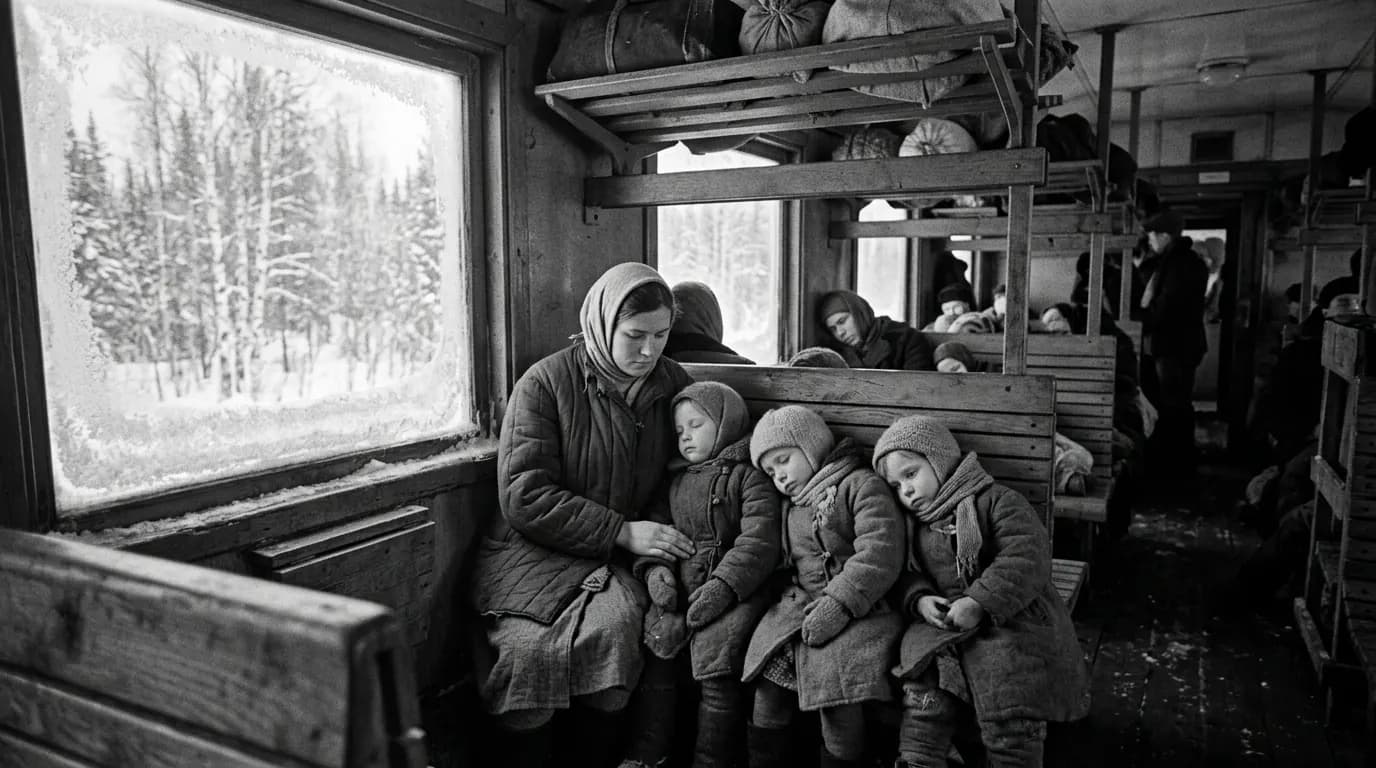
Spring, 1938. The Trans-Siberian Railway, somewhere near Lake Baikal. A young woman is travelling with her children to join her husband, an army political officer in the Far East. Right there, in the carriage, she gives birth to a son. Rudolf comes into the world on the move, and he will spend his whole life going somewhere.
Ufa, 1945. The war is almost over; the hunger is not. The Nureyevs live in one room shared with strangers, ten people in all. The father is at the front. The mother sells his belts and boots to buy food. Seven-year-old Rudolf doesn’t have a pair of shoes of his own.
“My prevailing memory is one of hunger. Consistent, gnawing hunger.”
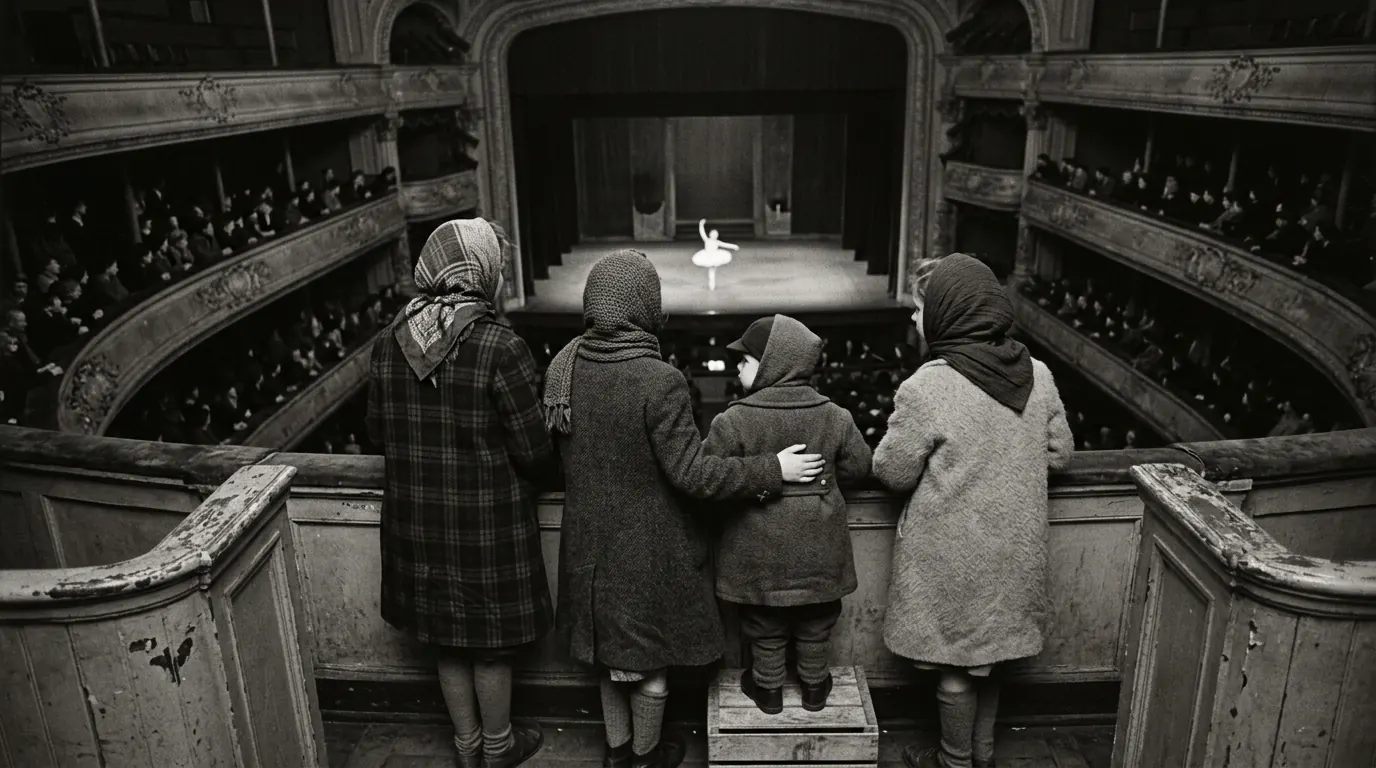
On New Year’s Eve his mother comes home with a single slip of paper: a ticket to the opera house, for a ballet called Song of the Cranes. One ticket, and four children. She takes them all, and in the crush at the door the whole family gets in on it.
They stand in the very top gallery. Far below, in the footlights, a ballerina is dancing, and the boy can’t take his eyes off the stage. Years later he would say: “I had the absolute certitude that I was born to dance.”
His father comes home from the war and won’t hear of it. His son should be an engineer, or a doctor, not a dancer. In front of her husband, the mother agrees. Behind his back, she lets the boy go. Rudolf dances anything he can: folk dance, the Young Pioneers’ club, every class he can find.
Then an old ballerina notices him. Anna Udeltsova once danced in Paris, in Diaghilev’s own company, and she tells him what his next teacher will tell him too: you have to go to Leningrad, to the school that gave the world Pavlova and Nijinsky. It is almost two thousand kilometres away. The family can barely afford bread. And Rudolf is already eleven, at a school where children start at nine or ten and train for nine years.
Most Likely Nothing
Six more years pass. There is no money for the journey, and his father still says no. From 1953 Rudolf trains at the studio of the Ufa opera and stands at the very back of its corps de ballet.
June 1955. He is seventeen, dangerously late by ballet standards, when the Ufa company takes him to a festival in Moscow. A ballet school there is willing to take him. The Ufa theatre offers him a full contract: a salary, a stable life. He turns it all down, and with the money he has earned he buys a ticket to Leningrad. One way.
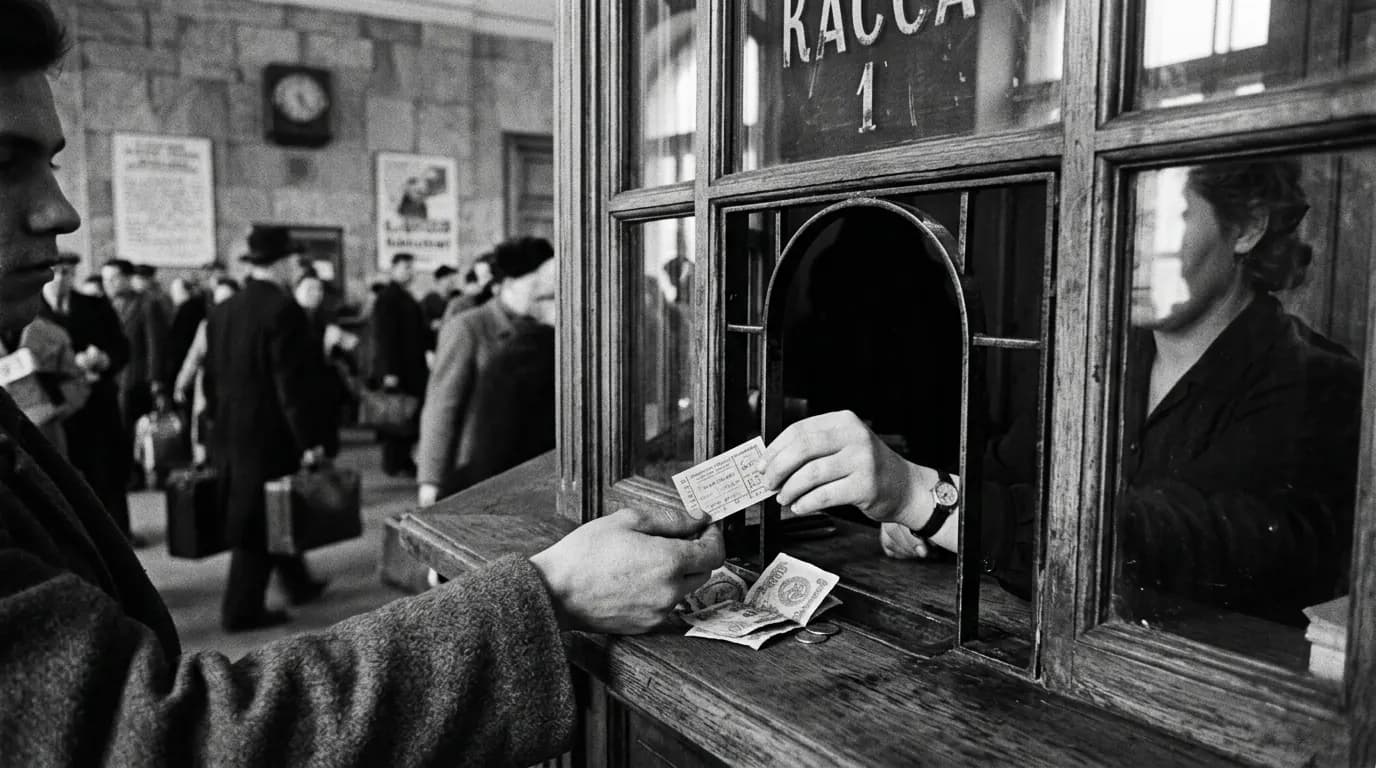
August 1955. The Leningrad Choreographic School, known today as the Vaganova Academy. The examiners look at a seventeen-year-old with no formal training behind him, and one of the teachers says what Nureyev would remember for the rest of his life.
“Young man, you will become either a brilliant dancer or nothing at all.And most likely, nothing.”
They take him anyway, two years below the graduating class. At his age that is a real danger: two extra years, and the army could take him before he ever reaches the stage. So he fights his way straight into the final year. The director marks him as a troublemaker. Rudolf lands in the class of Alexander Pushkin.
Pushkin doesn’t try to break him. He puts up with the outbursts and channels the fire into the work. When the boys in the dormitory mock the newcomer from the provinces, Pushkin and his wife take him into their own home.
“I will be the number one dancer in the world.”
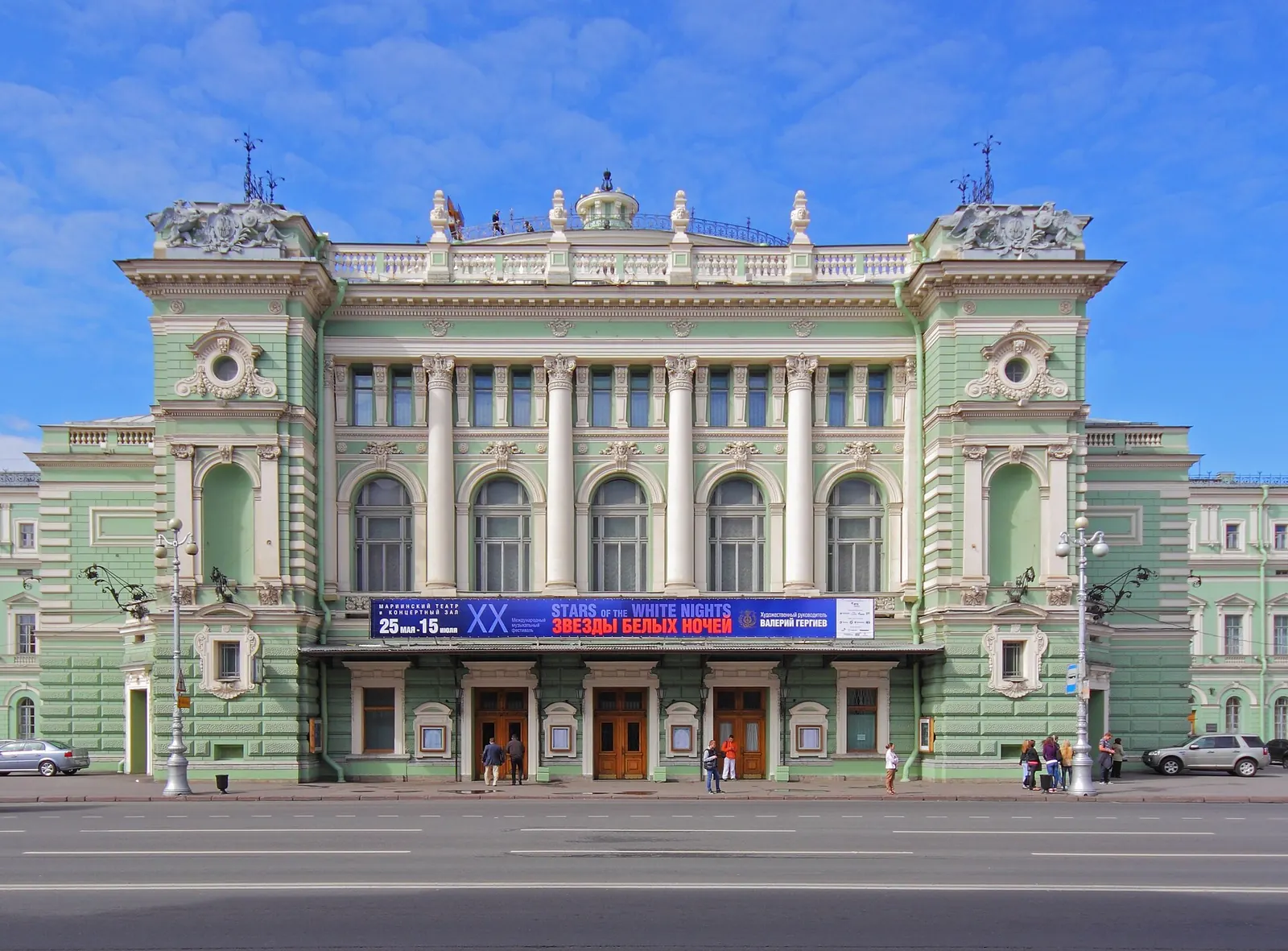
He has three years to do what the others did in nine, and he does it. In 1958 both the Bolshoi and the Kirov want him. He chooses the Kirov. Normally a young dancer waits years at the back for a real role. Rudolf waits two months: the theatre’s leading ballerina, Natalia Dudinskaya, chooses him as her partner.
Soon people buy tickets just to see Nureyev. But he argues with the management, refuses costumes he doesn’t like and lives by his own rules. After an international festival in Vienna in 1959, where he wins the top prize, the verdict comes down: he is not to travel abroad again.
I studied at the Vaganova Academy, the school that took Nureyev in at seventeen, and later danced at the Mariinsky, the theatre he chose. Knowing those classrooms from the inside, I still find his three years hard to believe.
Six Steps
The Kirov is preparing its first great tour of the West, and after Vienna Nureyev could easily be left at home. Then the French step in. The organisers have seen him dance in Leningrad, and they want him in Paris.
On 15 May 1961 a hundred Kirov dancers land in Paris. On 19 May, at the Palais Garnier, Nureyev dances a solo from La Bayadère. By one French account, forty-five seconds are enough to bring the house down. Le Figaro calls him a super-étoile.
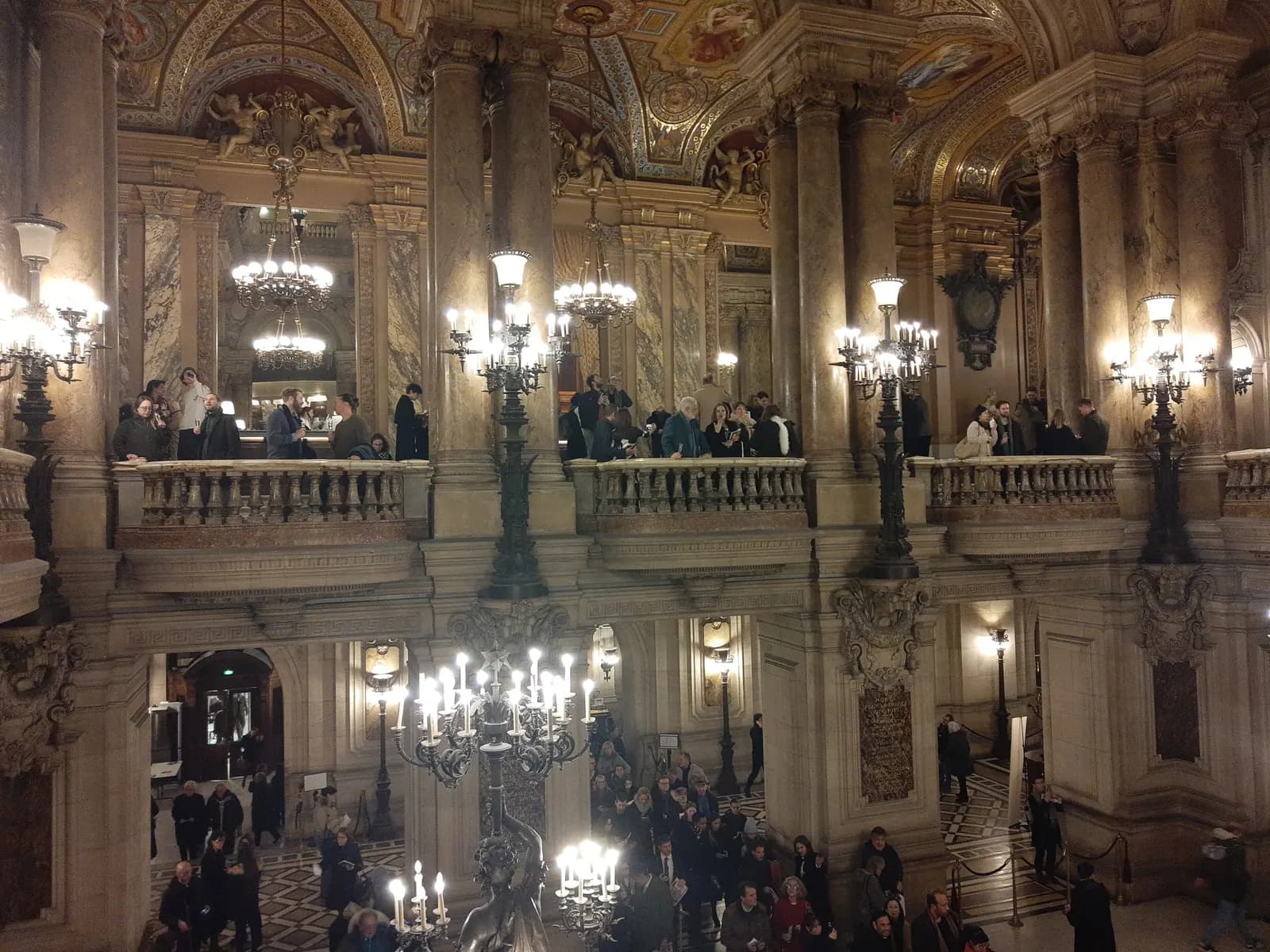
Soviet artists abroad move as a group. They don’t wander off alone and they don’t make friends with foreigners, and every company travels with minders, some of them from the KGB. Nureyev ignores the rules. He walks the city alone, spends his evenings with French dancers and comes back late. One new friend becomes especially close: Clara Saint, twenty-one, the daughter of a Chilean painter living in Paris.
“Nureyev is violating the rules of conduct for Soviet citizens abroad, goes into the city alone, returns to the hotel late in the evening.”
The decision is made in Moscow. Nobody tells Nureyev. The tour goes on and Paris keeps applauding, until the last morning.
16 June, Le Bourget. At the gate he is taken aside: not London, Moscow. He is needed at a special performance in the Kremlin. And one more thing: his mother is seriously ill. He understands. To one of his French friends he says quietly: “I am a dead man.”
Someone calls Clara Saint, and she rushes to the airport. The police tell her they cannot take him; he has to come to them himself. This is French soil. So she walks over as if to say goodbye, hugs him, and whispers in his ear: “Those two men are policemen. You have to be the one to ask them for protection.”
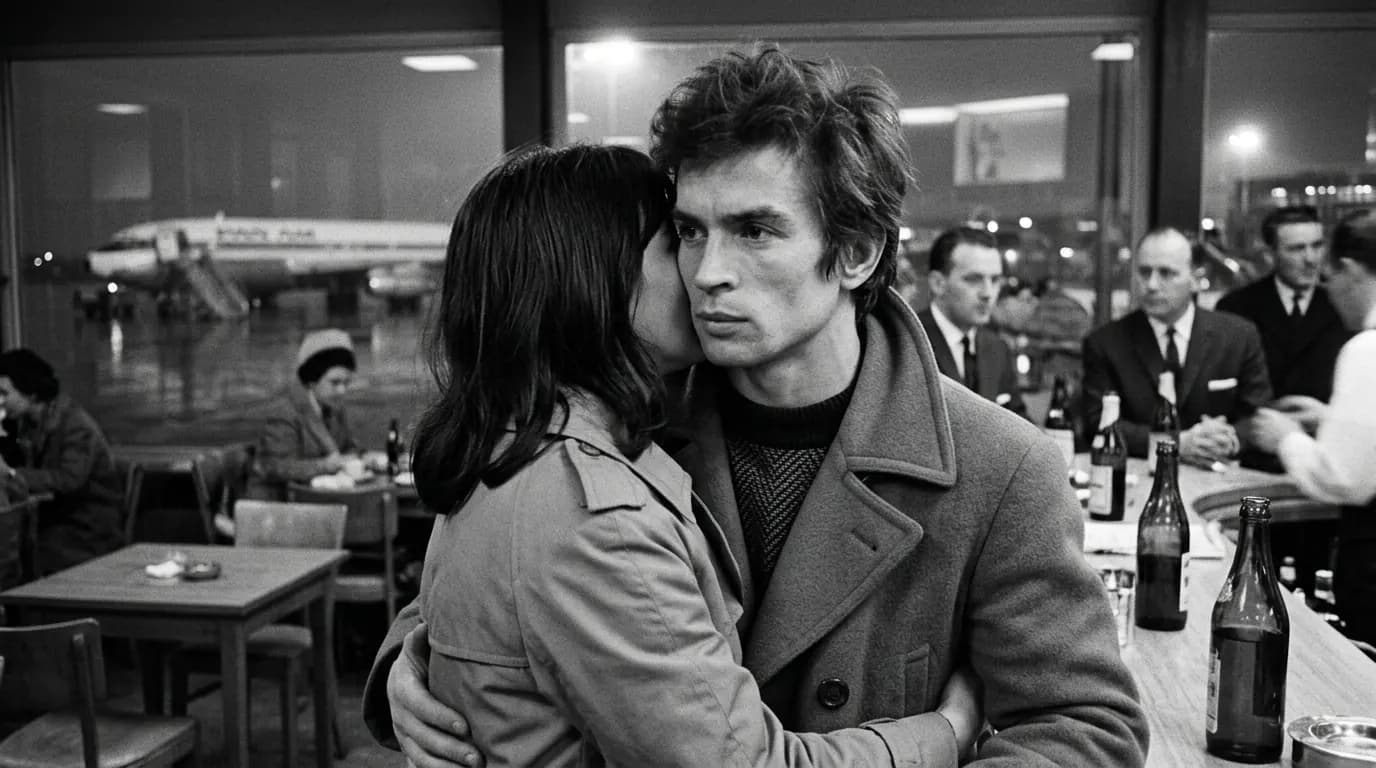
The papers would later say he leapt, as if on stage. He remembered it as one wide step.
He walks up to the officers and says quietly, in French, that he would like to stay in their country. The minders rush towards him. A French officer stops them: “Don’t touch him. We are in France.”
He is taken to a separate room. A Soviet official arrives and spends a long time trying to talk him into going back. Nureyev answers with one word: no. Then he is left alone to decide. According to his biographers, the room had two doors.
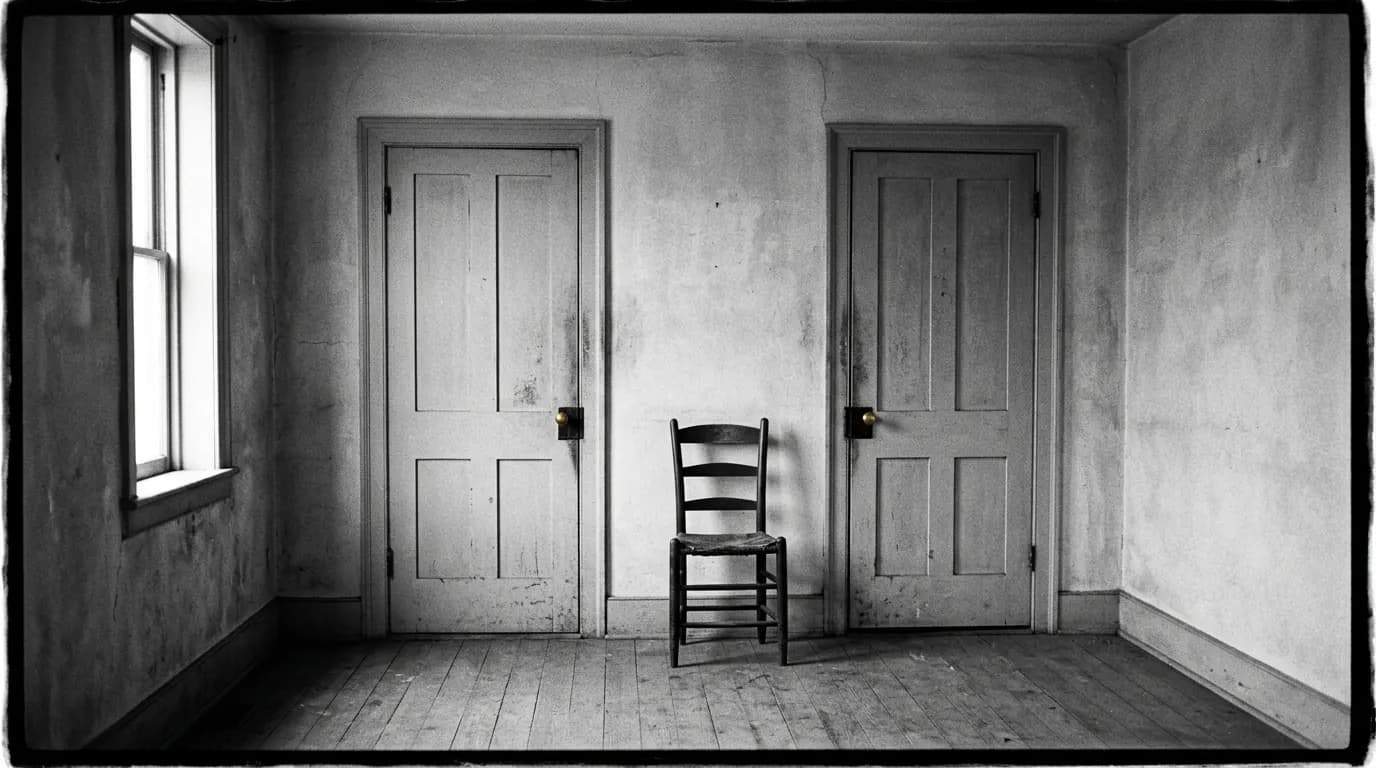
He walks out through the second one.
He is twenty-three. No luggage, almost no money. No family, no teacher, no theatre. Only freedom. And very soon he will learn what it costs.
Forty-eight Hours
For those six steps he was sent a bill, and he wasn’t the only one who had to pay it. In Leningrad he is put on trial without being there. The charge: treason against the motherland. The sentence: seven years.
Those left behind are made to write to him: come back. His father writes, the father who once forbade him to dance. His mother writes, the mother who got four children into the theatre on a single ticket. His teacher Pushkin writes too. Nureyev does not go back.
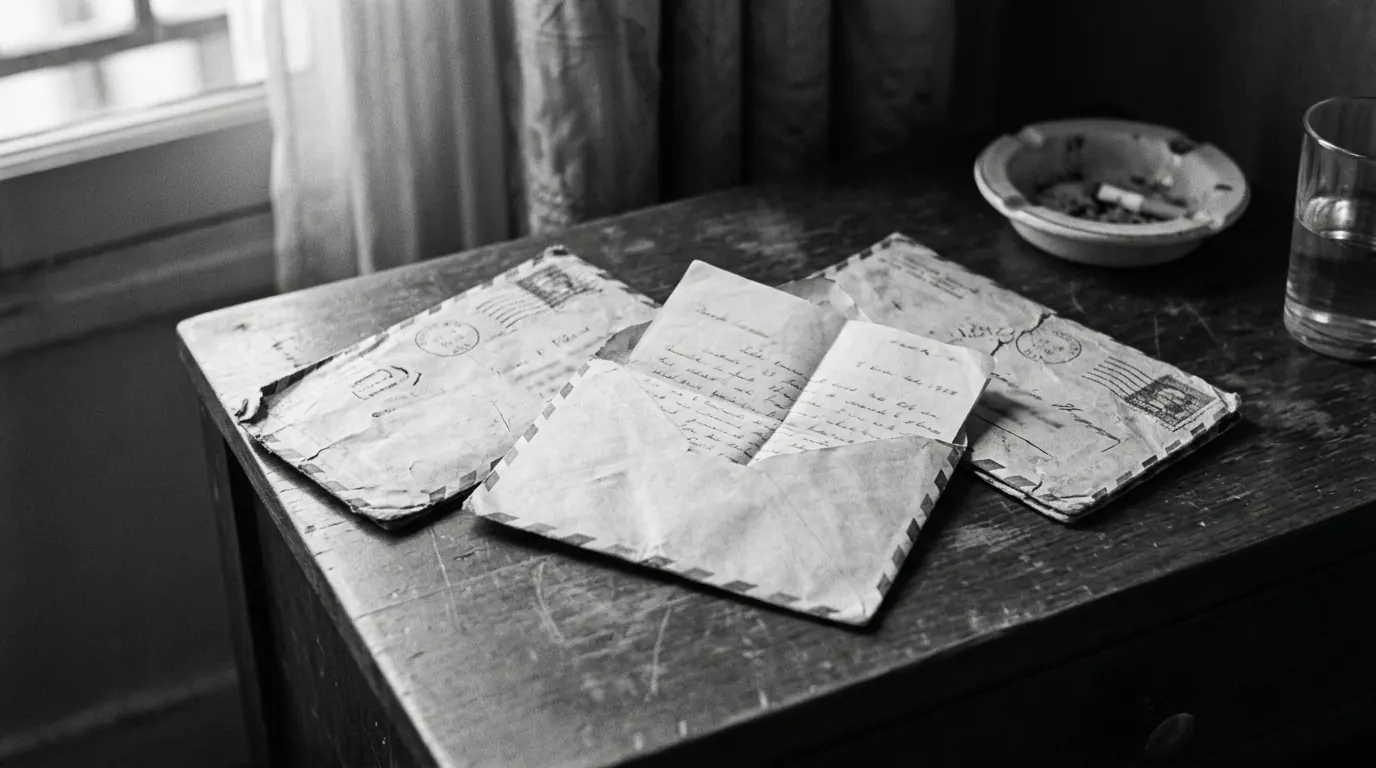
Decades later, in the notes that KGB archivist Vasili Mitrokhin smuggled out of the Soviet Union, a plan concerning Nureyev turned up. It was called “lessening his professional skills”. In plain words: breaking his legs.
Meanwhile, those legs keep dancing. Within a week of the airport he is on stage in Paris again. Then London: Margot Fonteyn, England’s great ballerina, is forty-two and already thinking about leaving the stage. She invites the young Russian to dance with her. 21 February 1962, Covent Garden, Giselle. When the curtain falls, the house is silent. Then it explodes.
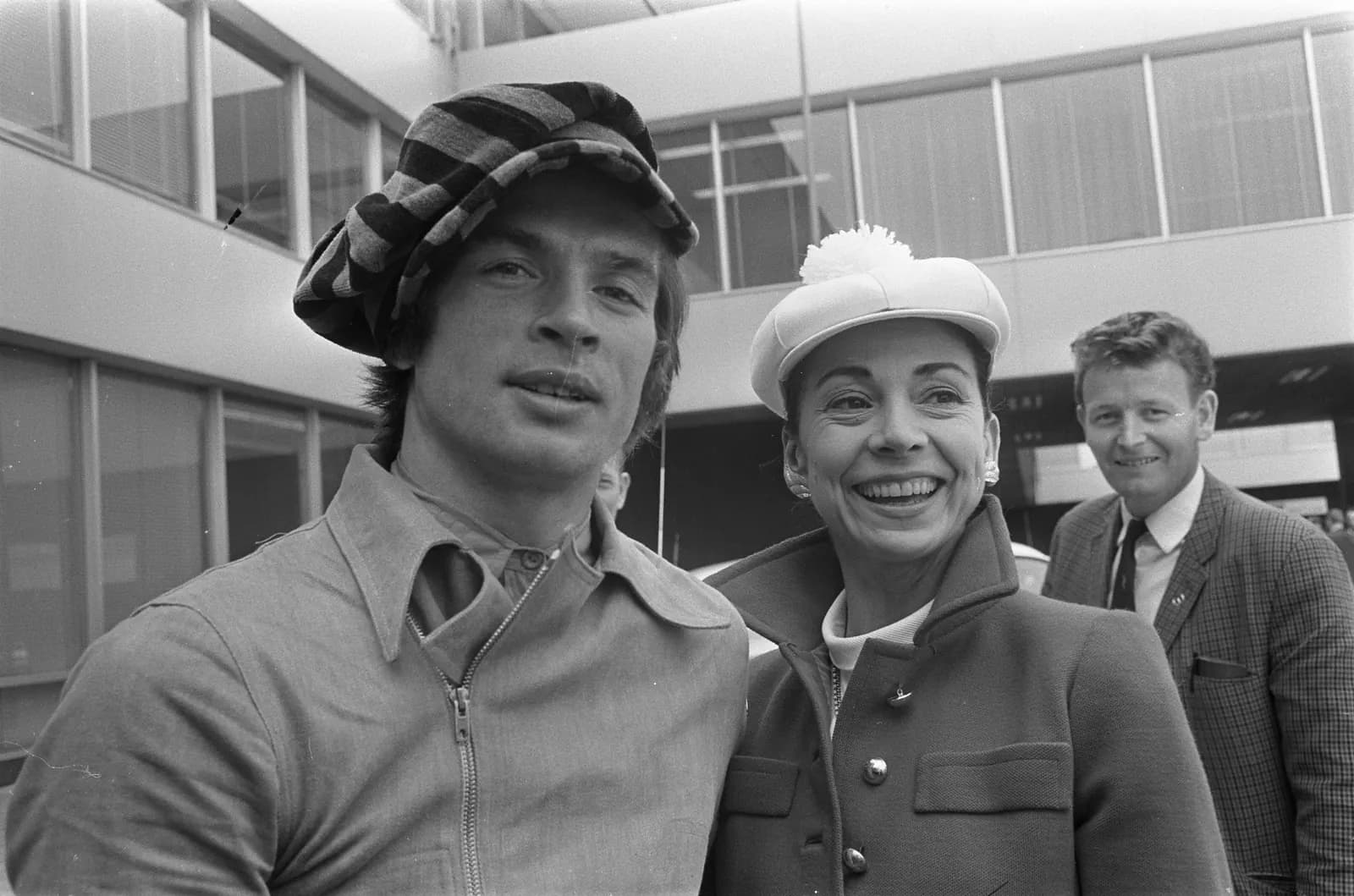
The boy from hungry Ufa becomes the most famous dancer in the world. In 1983 he is made director of the Paris Opera Ballet, in the very theatre where, twenty-two years earlier, Paris first saw him dance. He can have almost anything now, except one thing: a ticket home.
November 1987. Gorbachev is in the Kremlin, and the door opens a crack. Nureyev is allowed back; the papers report a visa for forty-eight hours. His mother is dying. In Ufa, twenty-six years later, the mother who once got her children into the theatre on one ticket is too ill to know him. He spends a few minutes at her bedside. Soon after, she is gone.
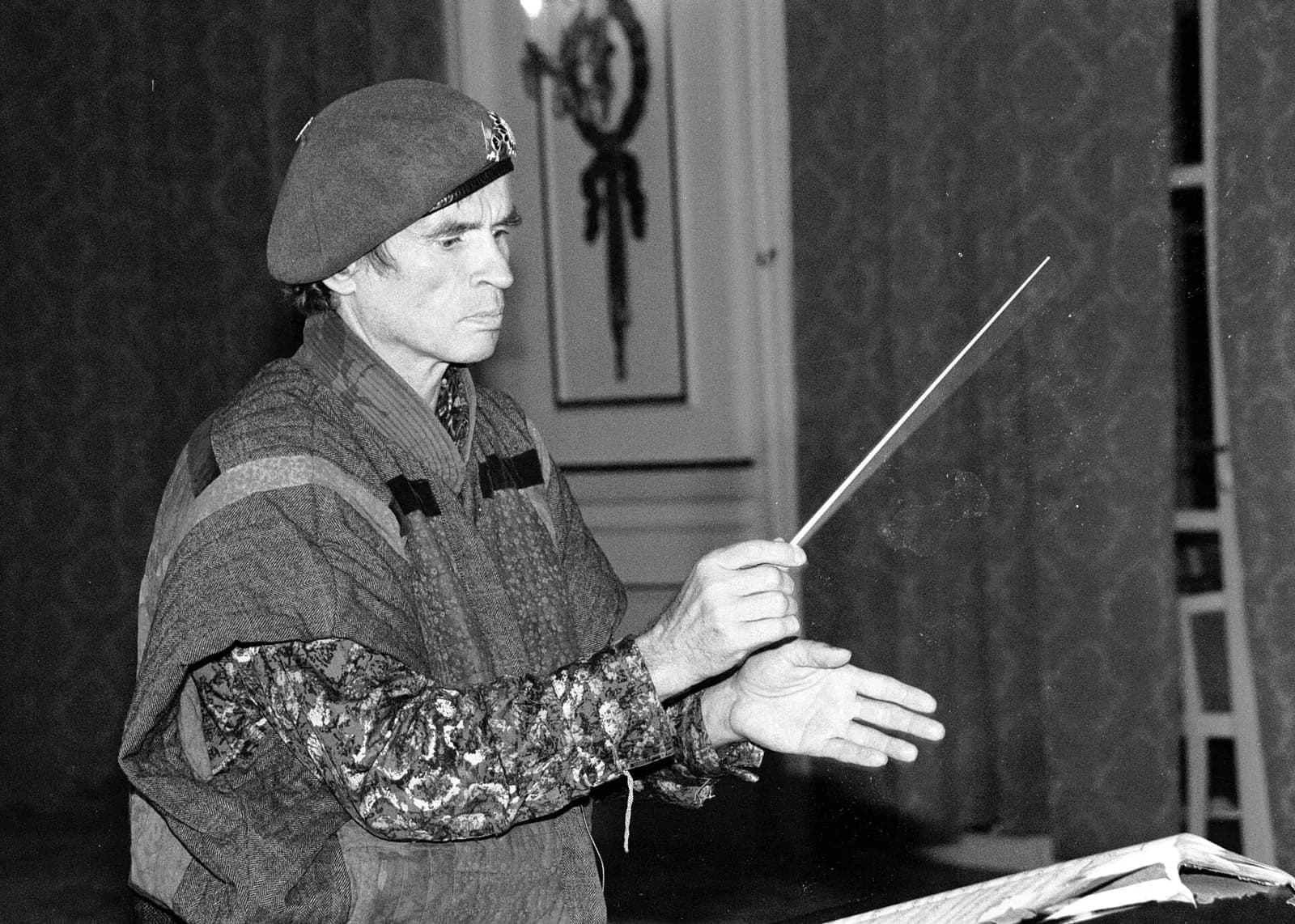
By then Nureyev has a secret of his own: a diagnosis that at the time sounds like a death sentence. He tells almost no one, and he keeps working as if racing the clock. In 1989 he steps onto the Kirov stage once more, twenty-eight years after he left it. He is fifty-one. The famous jump is gone, and he knows it.
8 October 1992, the Palais Garnier: the premiere of his last production, La Bayadère, the same ballet with which his Paris had begun. He can barely stand. He is helped out for the bow, and the whole house rises. Three months later, on 6 January 1993, Rudolf Nureyev dies. He is fifty-four.
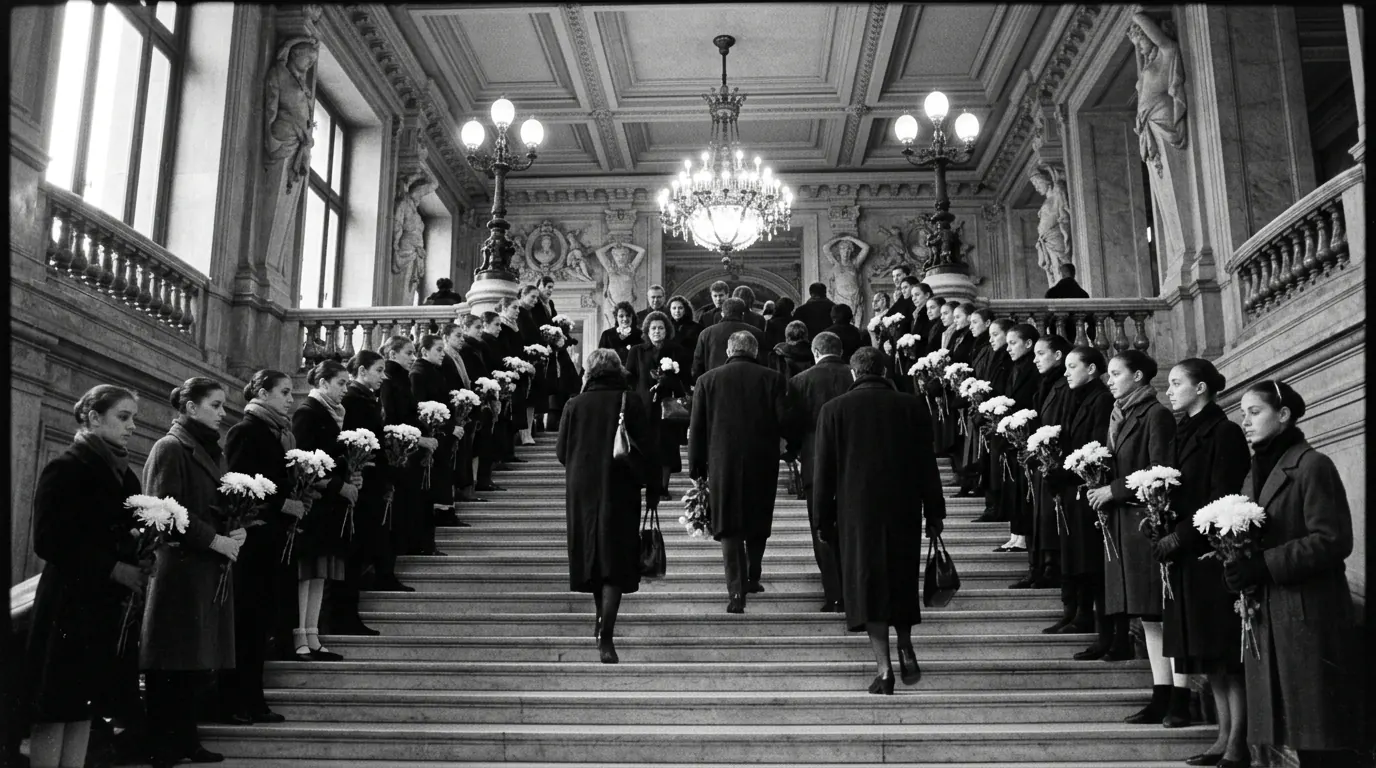
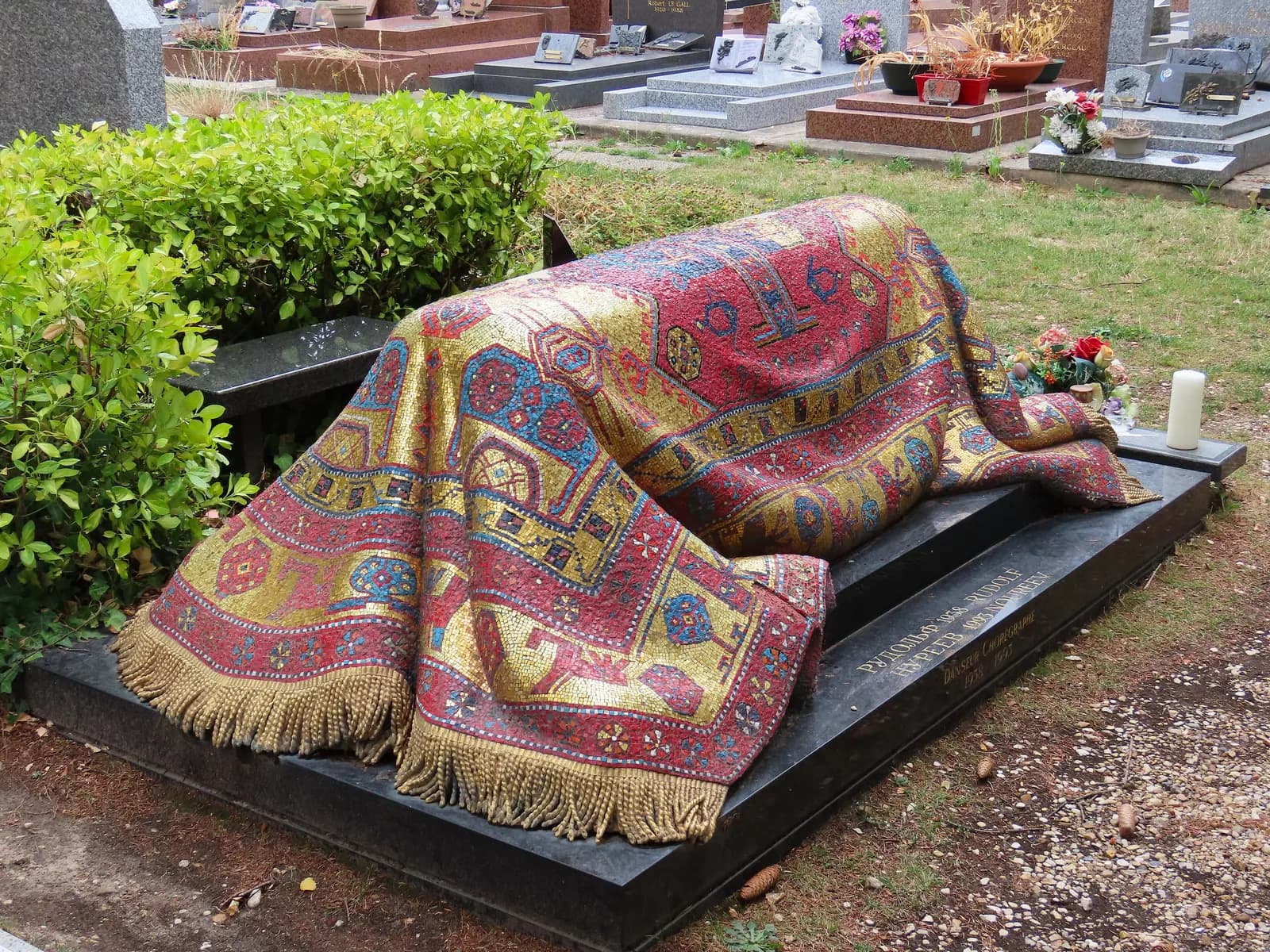
Twenty-four dancers line the grand staircase with white chrysanthemums. Poems are read in their original languages; in Russian, lines from Eugene Onegin by Pushkin, the same name as the teacher who once took the boy in. He is buried in the Russian cemetery outside Paris, under a mosaic in the shape of an oriental carpet. All his life he collected carpets and old fabrics.
Four Tickets
One ticket for the whole family, to the theatre.
One way, to Leningrad.
A plane to Moscow he never boarded.
And a ticket home for 48 hours, when it was almost too late.
He paid for his freedom with everything he had. Without those six steps, the world would never have seen Nureyev.
Would you have taken those six steps?
Tell me in the comments under the film, and tell me which ballet legend should be next.
Answer on YouTubeHis story began with one ticket to the ballet. Yours can begin with one class.
Nureyev reached ballet school at seventeen, dangerously late by ballet standards. If this story moved you, try ballet yourself: at any age, at any level, from home.
Not sure where to start? Take a free class first
Sources
- The Mitrokhin Archive, Christopher Andrew and Vasili Mitrokhin
- Rudolf Nureyev Foundation, nureyev.org
- UPI reports, 1987 and 1993
Photographs
- Rudolf Nureyev at Schiphol, 1968: Anefo, Nationaal Archief, CC0
- Margot Fonteyn and Rudolf Nureyev, 1968: Eric Koch / Anefo, Nationaal Archief, CC0
- The Mariinsky Theatre: A. Savin, CC BY-SA 3.0
- Palais Garnier staircase: Gerda Arendt, CC0
- Nureyev conducting, Deauville 1991: Roland Godefroy, CC BY-SA 3.0
- Nureyev’s grave, Sainte-Geneviève-des-Bois: Remih, CC BY-SA 4.0
Images marked Reconstruction are illustrations from the film, made with AI, of moments no camera recorded. They are based on the facts of Nureyev’s life.