Why Swan Lake on TV means trouble in Russia Swan
Lake
How did a ballet that failed at its premiere become a sign of power falling?
What do you see?
Art. Ballerinas. Pointe shoes. But in Russia, many people see something else: a signal that something big has just happened at the top.
Today you will find out why Tchaikovsky never saw this ballet succeed, how Soviet officials changed its ending, and why Russians still joke about waiting for Swan Lake on TV.
And the main question: how did a ballet that failed become the most famous ballet in the world, and a sign of power falling?
“I will tell you the story as a dancer sees it.”
The Failure
- PremiereSwan LakeBallet · music by P. Tchaikovsky
- PressToo loud, too symphonic“Forgotten as soon as the show is over”
Moscow, the Bolshoi Theatre, 1877. For the first time, Tchaikovsky writes music for a ballet. It is called Swan Lake. The premiere is not a success.
Critics write that the music is too loud and too symphonic, and the dances, they say, are forgotten as soon as the show is over.
The lovers drown in the lake.
Remember this ending. It won’t be the last one. For a few more years the ballet stays on stage. It gets reworked, and then it quietly disappears.
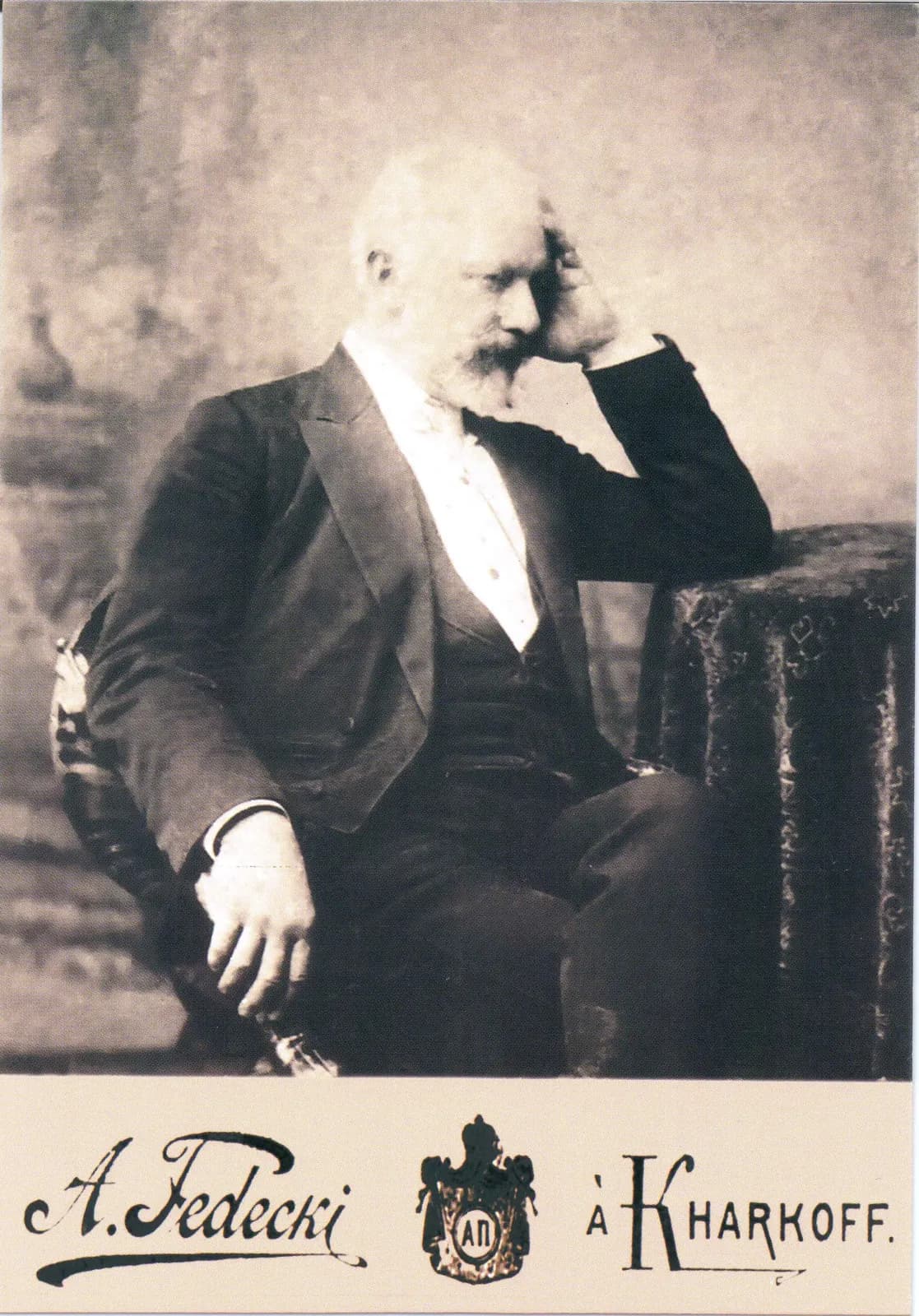
In the autumn of 1893, Tchaikovsky dies. His ballet is still a failure. It seems the story of Swan Lake is over.
But a few months later, the Mariinsky Theatre holds an evening in his memory.
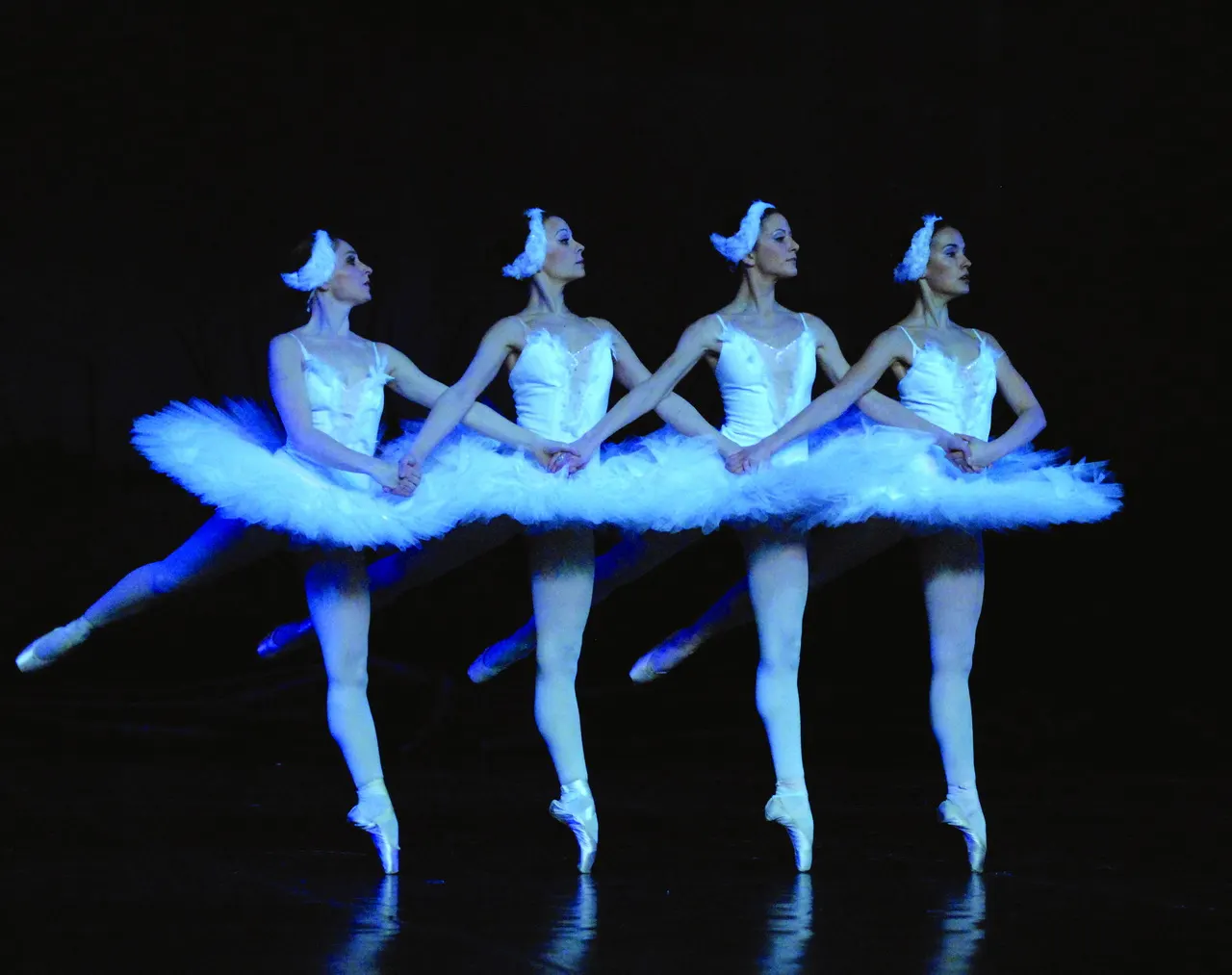
For that evening, Lev Ivanov stages one scene from the forgotten ballet: the scene where swans dance on the shore of a lake. Everyone loves it. The theatre decides to bring back the whole ballet.
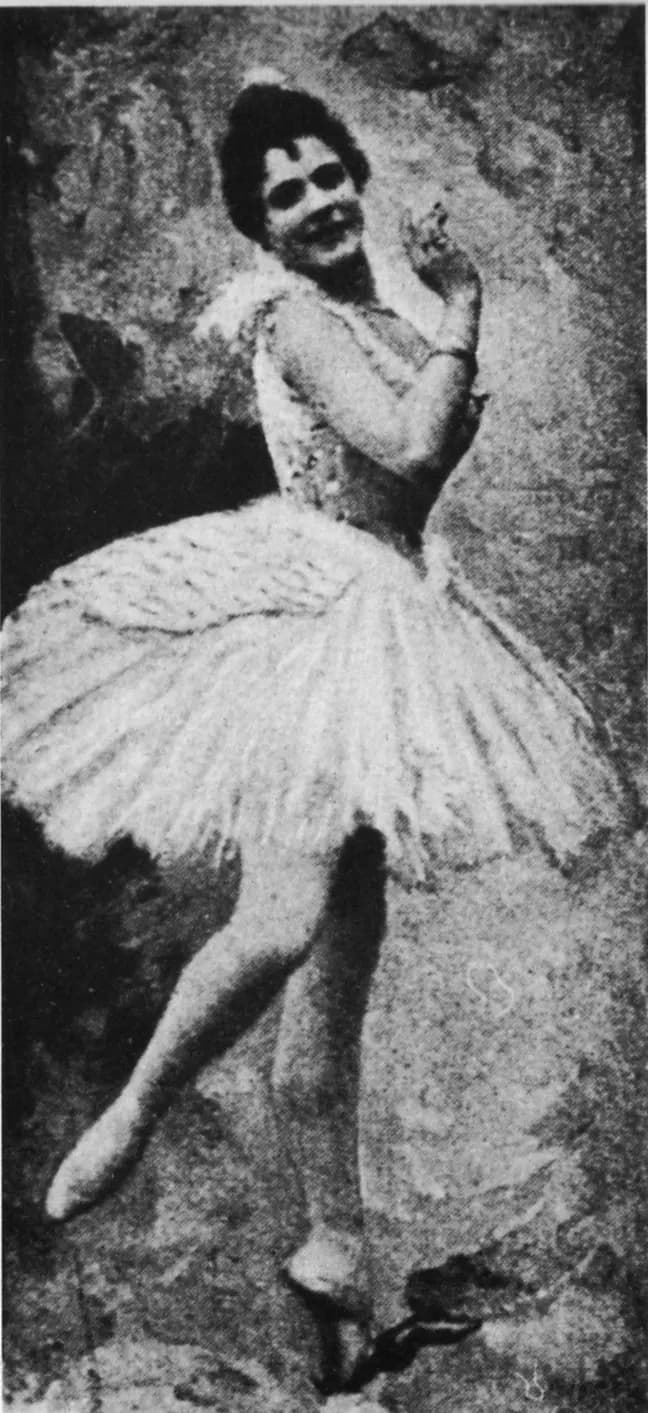
In January 1895, a new Swan Lake opens, staged by Marius Petipa and Lev Ivanov. Odette is danced by the Italian ballerina Pierina Legnani. You will hear her name again very soon.
Odette throws herself into the lake and the prince follows her. The lovers die, but their souls stay together.
The composer’s brother, Modest, rewrites the story, and the ending changes. Almost every theatre in the world still dances the swans of Petipa and Ivanov. But the ending, as you will see, keeps changing.
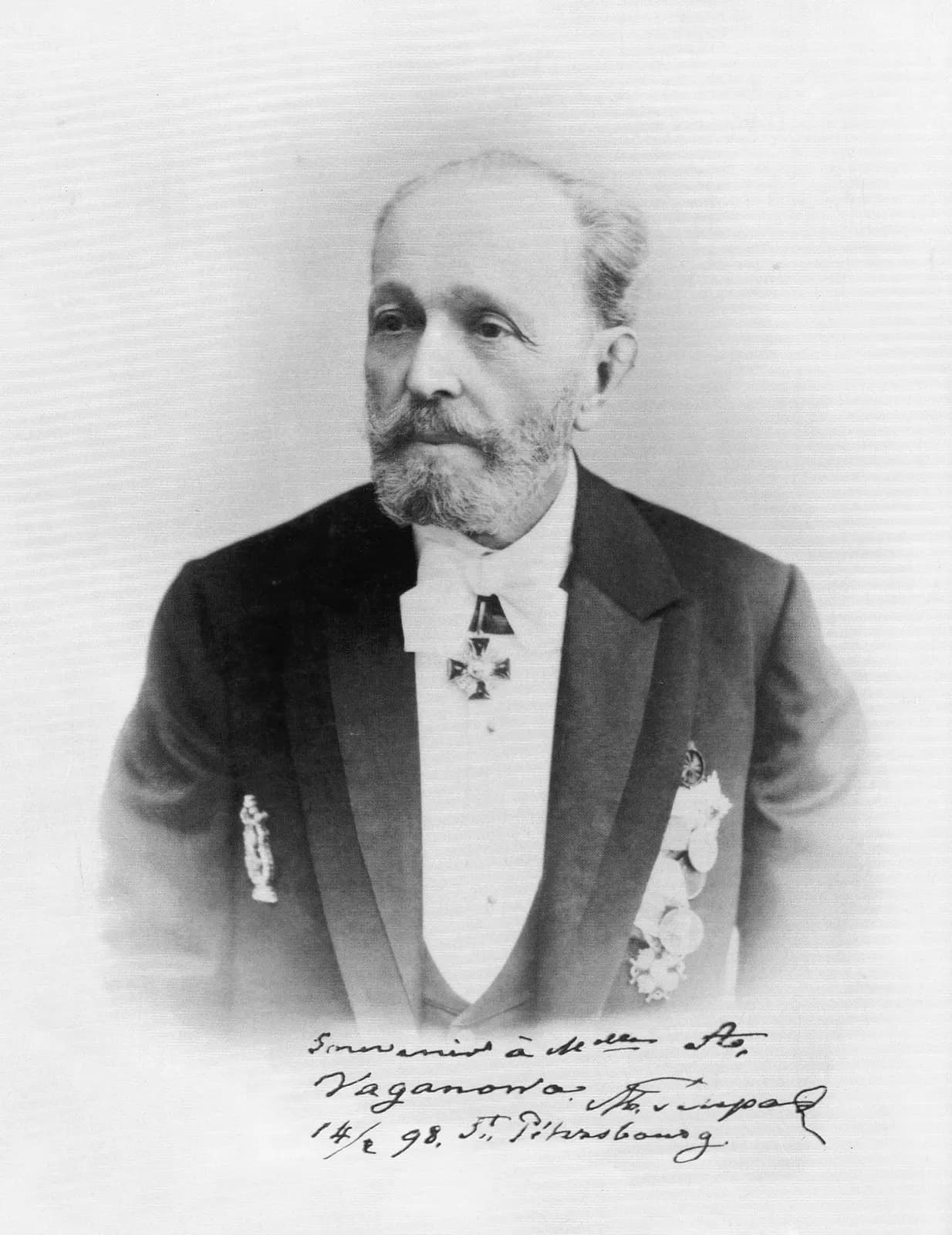
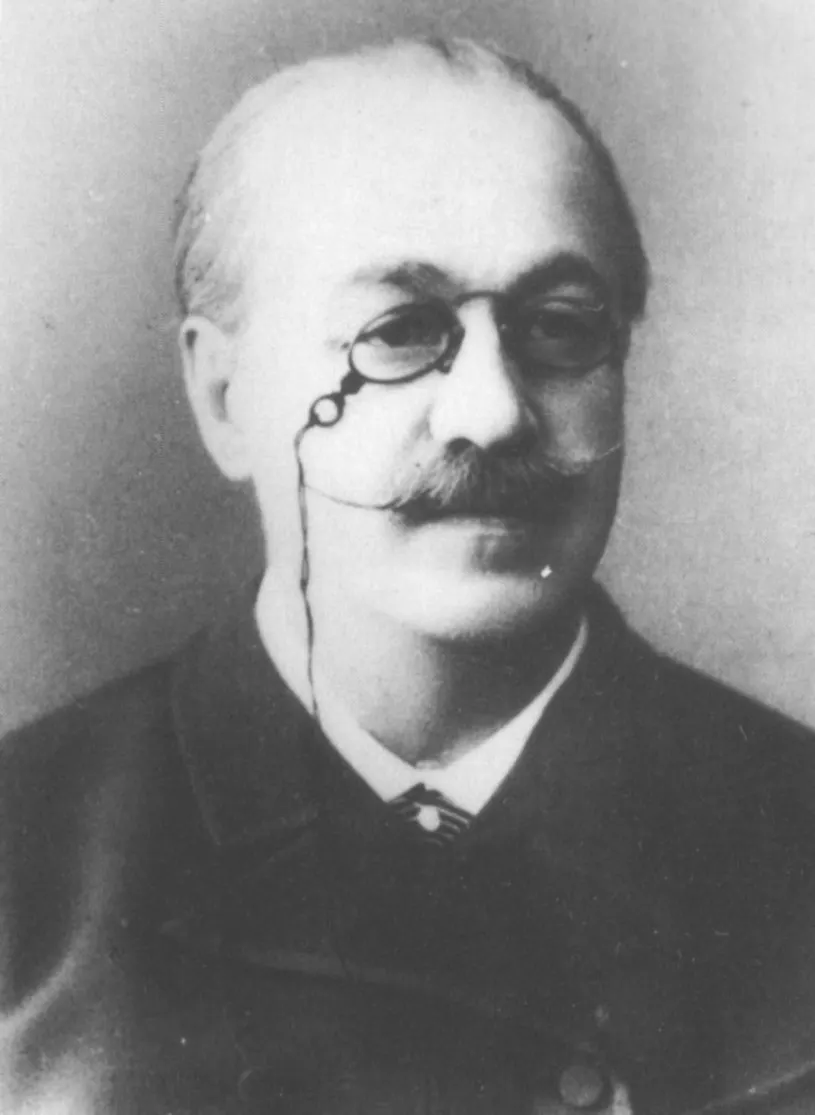
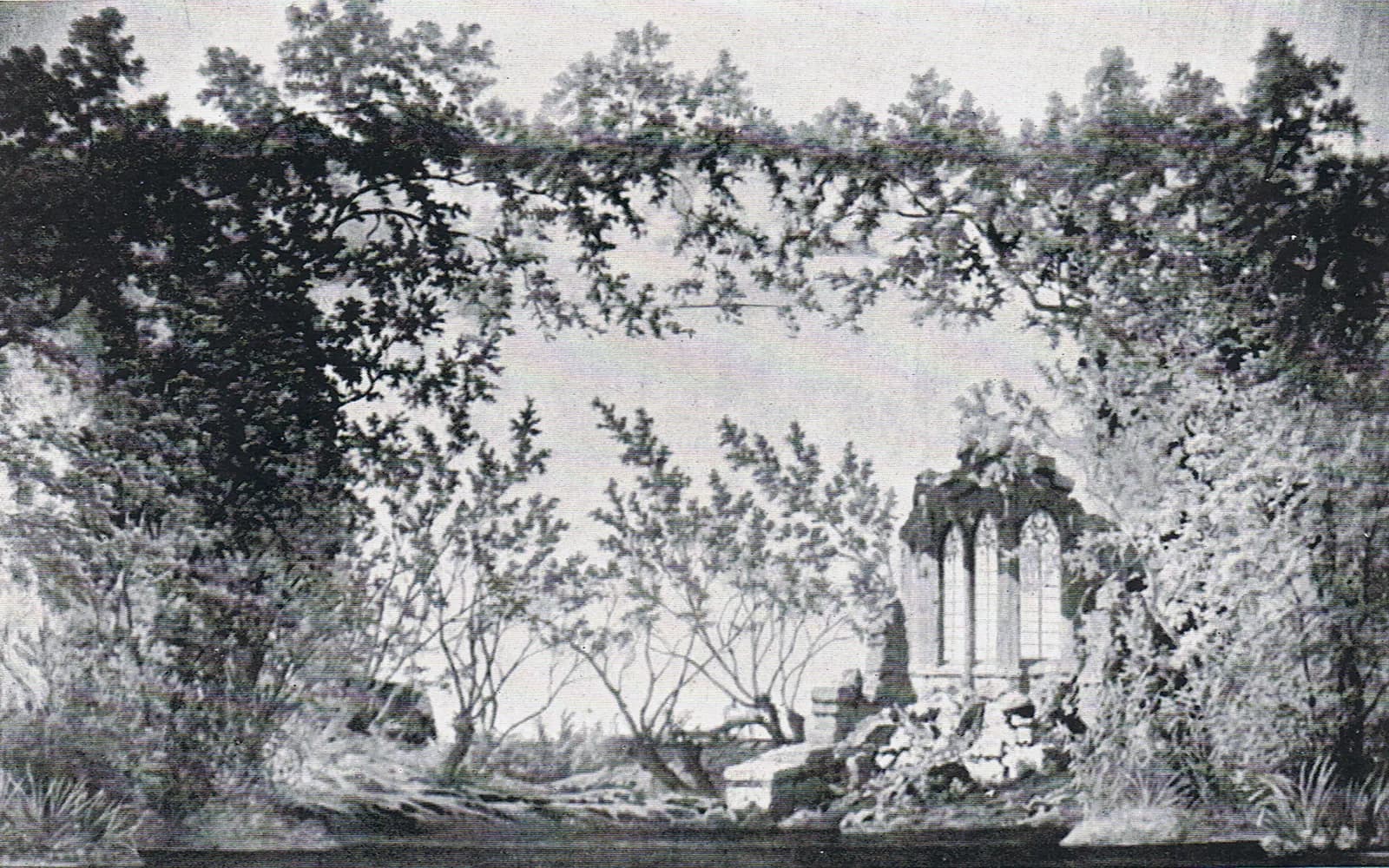
The most famous ballet on earth came back to the stage thanks to an evening in memory of its composer.
An exam in three parts
- 1
The white swan, Odette
Slow music, long lines, arms like wings. You can see every small mistake.
- 2
The black swan, Odile
Same ballerina, same evening. Now she is fast and cold, and she does 32 turns on one leg. The first ballerina to do them in this ballet was Pierina Legnani.
- 3
The hardest part
People must believe these are two different women.
The Soviet Ending
- 9 JuneDress rehearsalEnding: tragic, no hope
- AfterProduction sent back to be changed
- 25 DecSwan Lake · premiereEnding: the prince wins
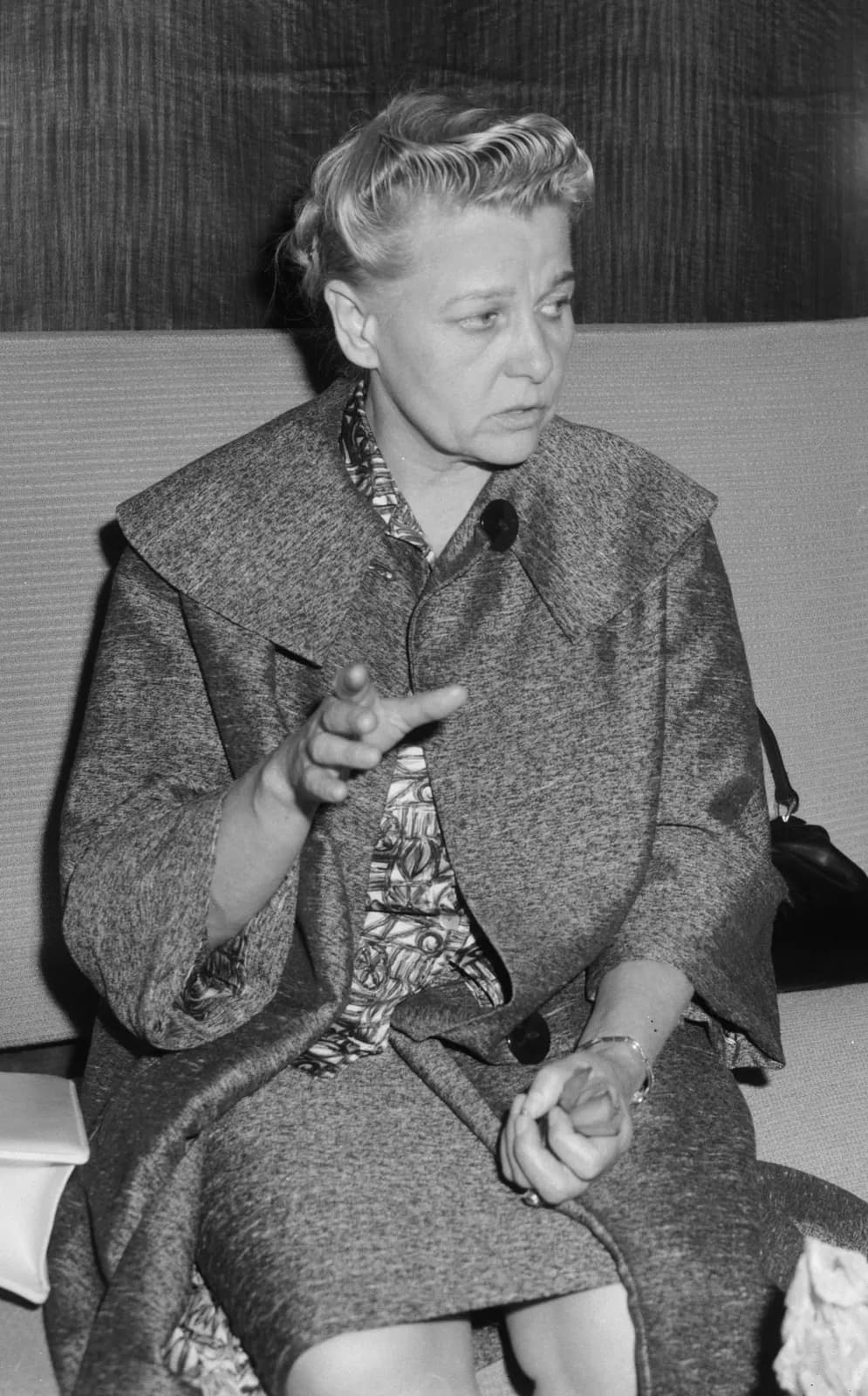
1969. Yuri Grigorovich has been running the Bolshoi Ballet for five years, and he is preparing his own Swan Lake. His ending is tragic, with no hope. On the 9th of June there is a dress rehearsal. After it, the production is sent back to be changed.
The documents don’t show who exactly decided this. The newspaper Kommersant points to the Ministry of Culture and possibly to the office of the minister, Yekaterina Furtseva.
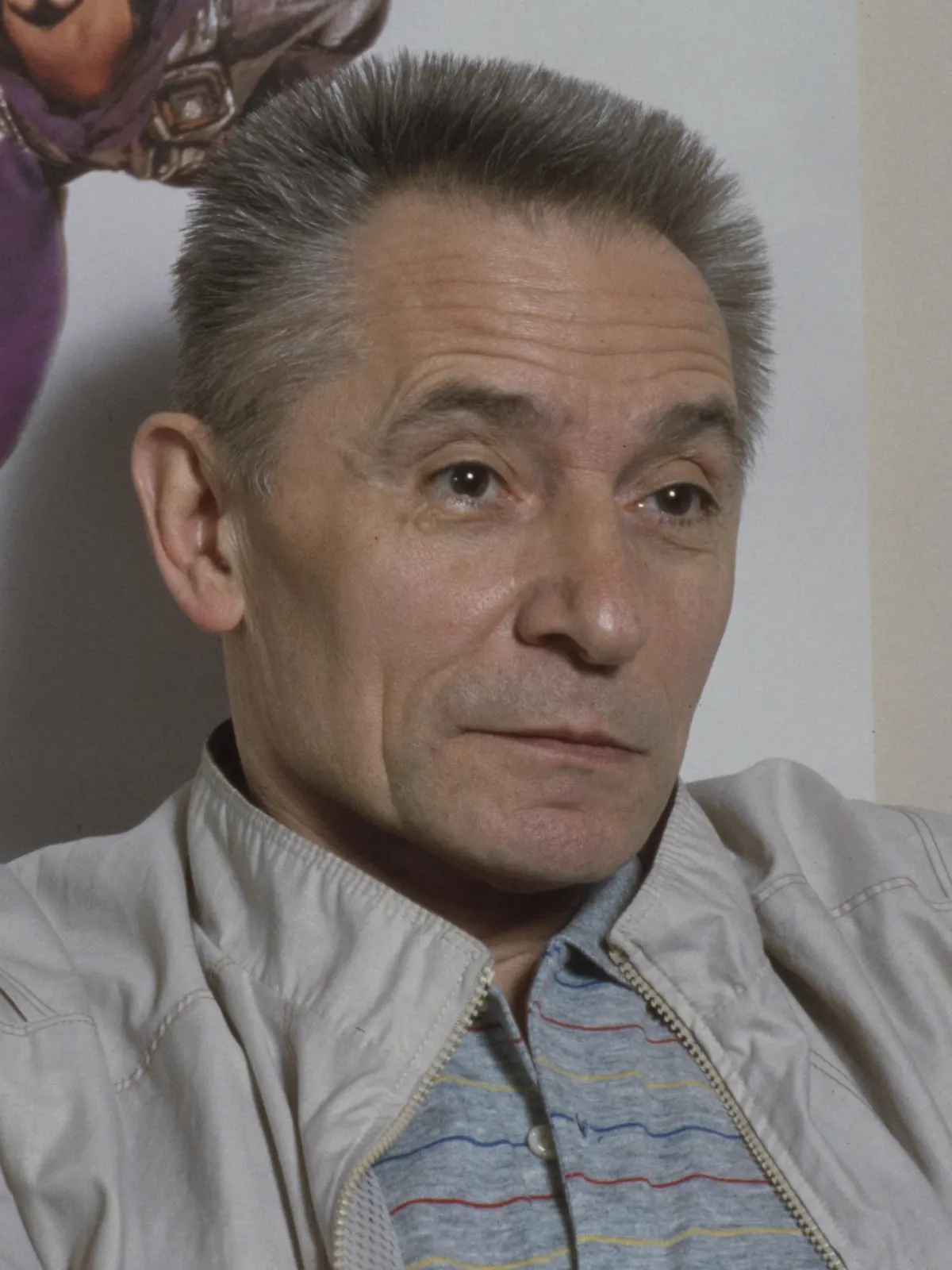
The prince defeats the evil sorcerer. Good wins, as it should in a Soviet ballet.
The premiere only happens on the 25th of December, and now the ending is happy. The tragic ending will return to the Bolshoi stage more than 30 years later.
Thirteen years pass. The 10th of November 1982.
- DayEntertainment, sports, children’s shows
- EveningBig holiday concert
- EveningAn old Soviet filmSources don’t agree on which one
It is Soviet Police Day. In the evening, Channel 1 is supposed to show a big holiday concert. In those years, everyone watched concerts like this. During the day, entertainment, sports and children’s shows disappear from the schedule. Then the concert is cancelled and nobody explains why.
Instead of the concert, there is an old Soviet film. Sources don’t even agree on which one. All day long the radio plays serious classical music. Only the next morning does the announcer say that Leonid Brezhnev died the day before.
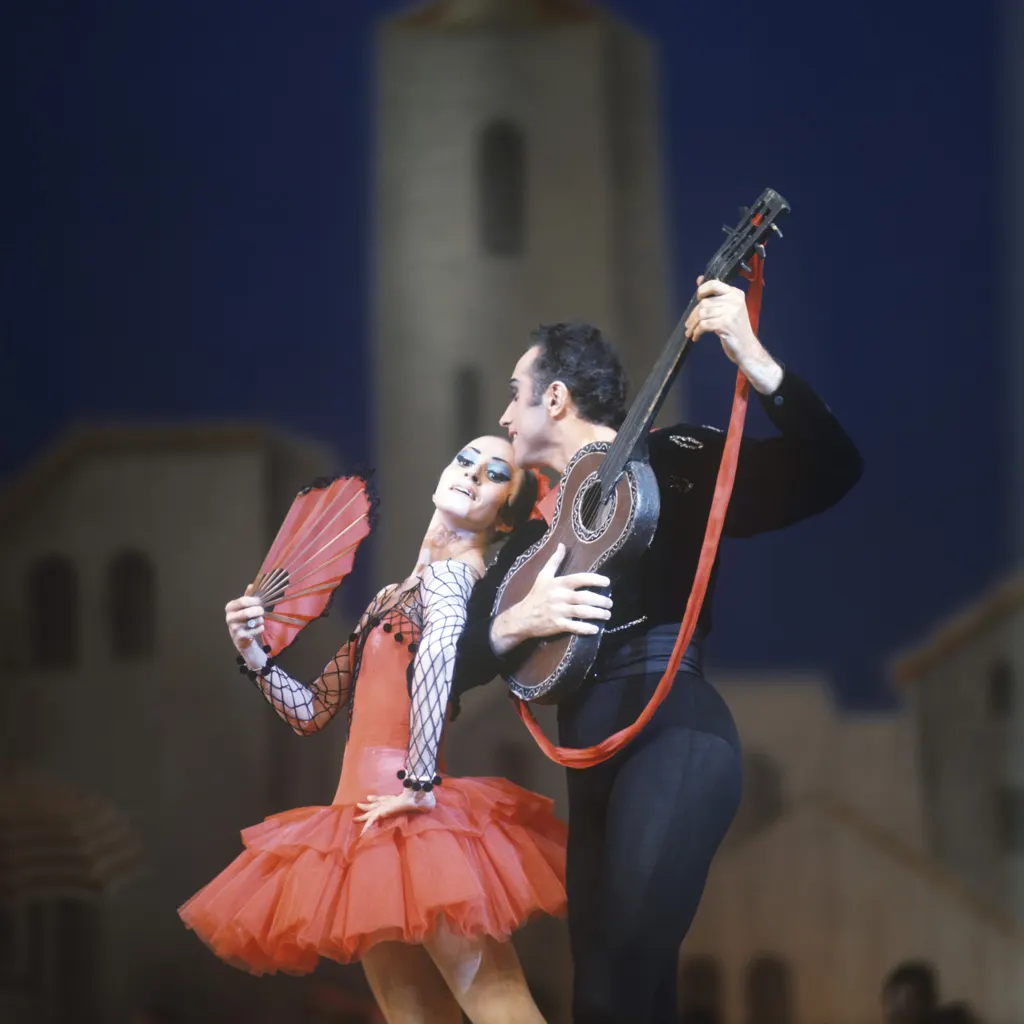
A year later, in 1983, Grigorovich’s happy Swan Lake is filmed for television. Odette and Odile are danced by Natalia Bessmertnova, the Bolshoi’s prima ballerina and Grigorovich’s wife. The prince is Alexander Bogatyrev, the evil sorcerer is Boris Akimov. The recording is almost two hours long. Remember this recording, and its length.
In less than two and a half years, three leaders die. People learn to read the TV screen, the way we read rumours on our phones today.
If there is classical music instead of a concert, something has happened at the top.
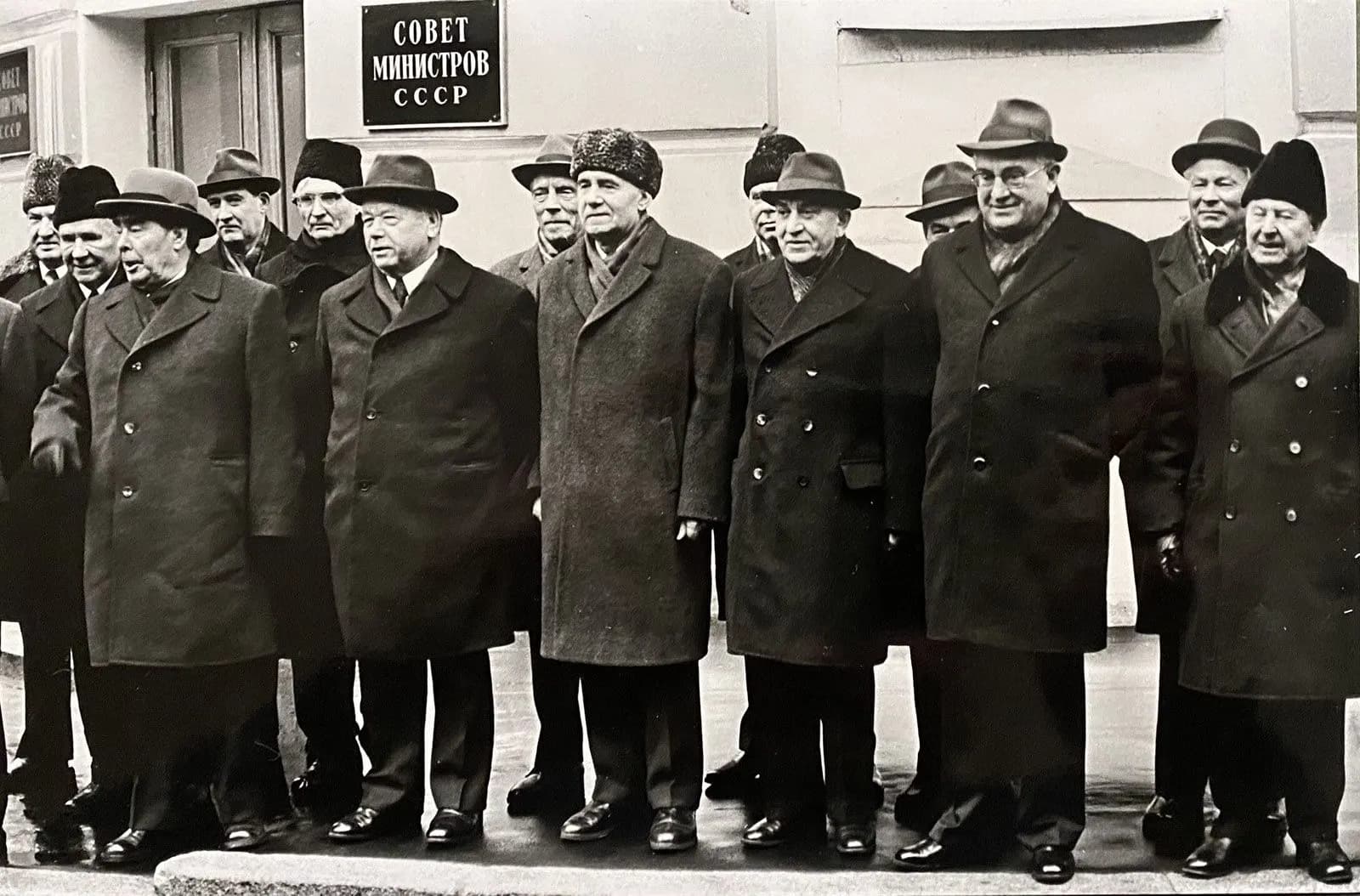
The legend says Swan Lake was on TV on all of those days.We found no documents showing it.
Detailed accounts of those days mention a film, not Swan Lake. Nothing shows Swan Lake on TV in 1982, 1984 or 1985. For now, the swans are just waiting in the television archive.
Eight years after that recording, on the 19th of July 1991, Bessmertnova turns 50. For her birthday, television prepares to show the recording. The news agency TASS reports that it goes into a programme called Musical Teletheatre, which airs on the third Monday of every month. The first one after her birthday falls on the 19th of August. The schedule is approved about two weeks ahead, and the ballet is set for the evening.
But if we believe one man, it will go on air much earlier, in the afternoon, and for a very different reason.
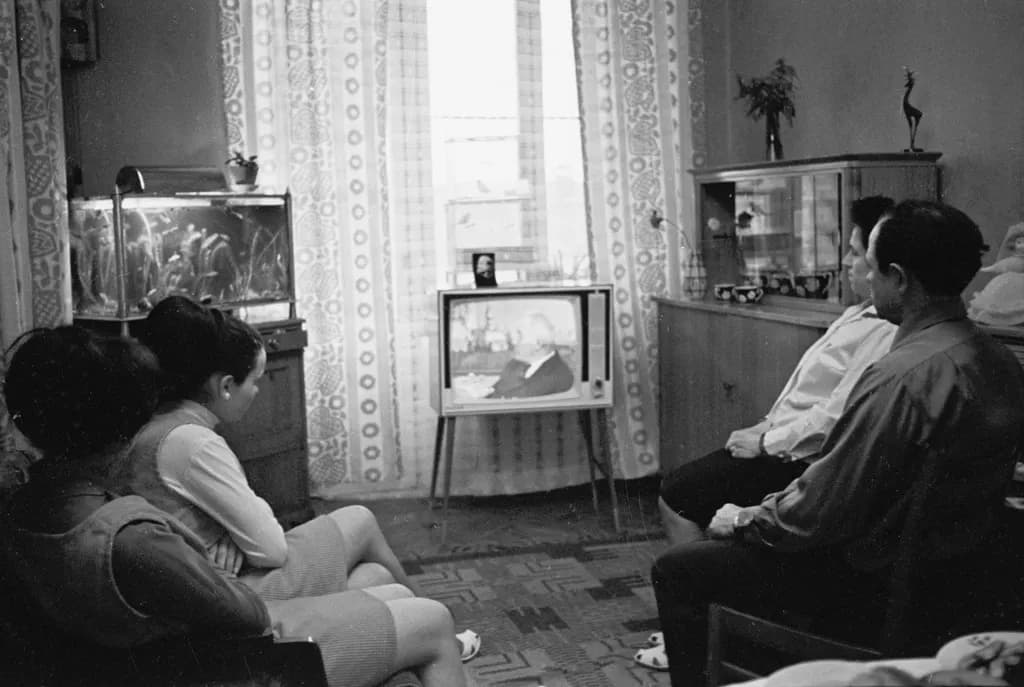
Today we get news in seconds. Back then there was no internet and no free news. People read the TV screen like a code, and memory plays tricks. Many are sure they saw Swan Lake on those days. Maybe because of what happened next.
A Hole in the Broadcast
- 06:00Statement of the State Emergency Committee read on air
- All dayChannel 2 switched off
- 12:45Technical break, until 15:00Test pattern
- 12:45Swan Lake · 1 h 55 minIf we believe Oskolkov
It started with a phone call in the middle of the night. It is the small hours of the 19th of August. Central television’s broadcast is run by Viktor Oskolkov. He gets a call from Leonid Kravchenko, the head of all Soviet television and radio. Oskolkov says it was soon after midnight. He is told: come to work now. A car is already on its way.
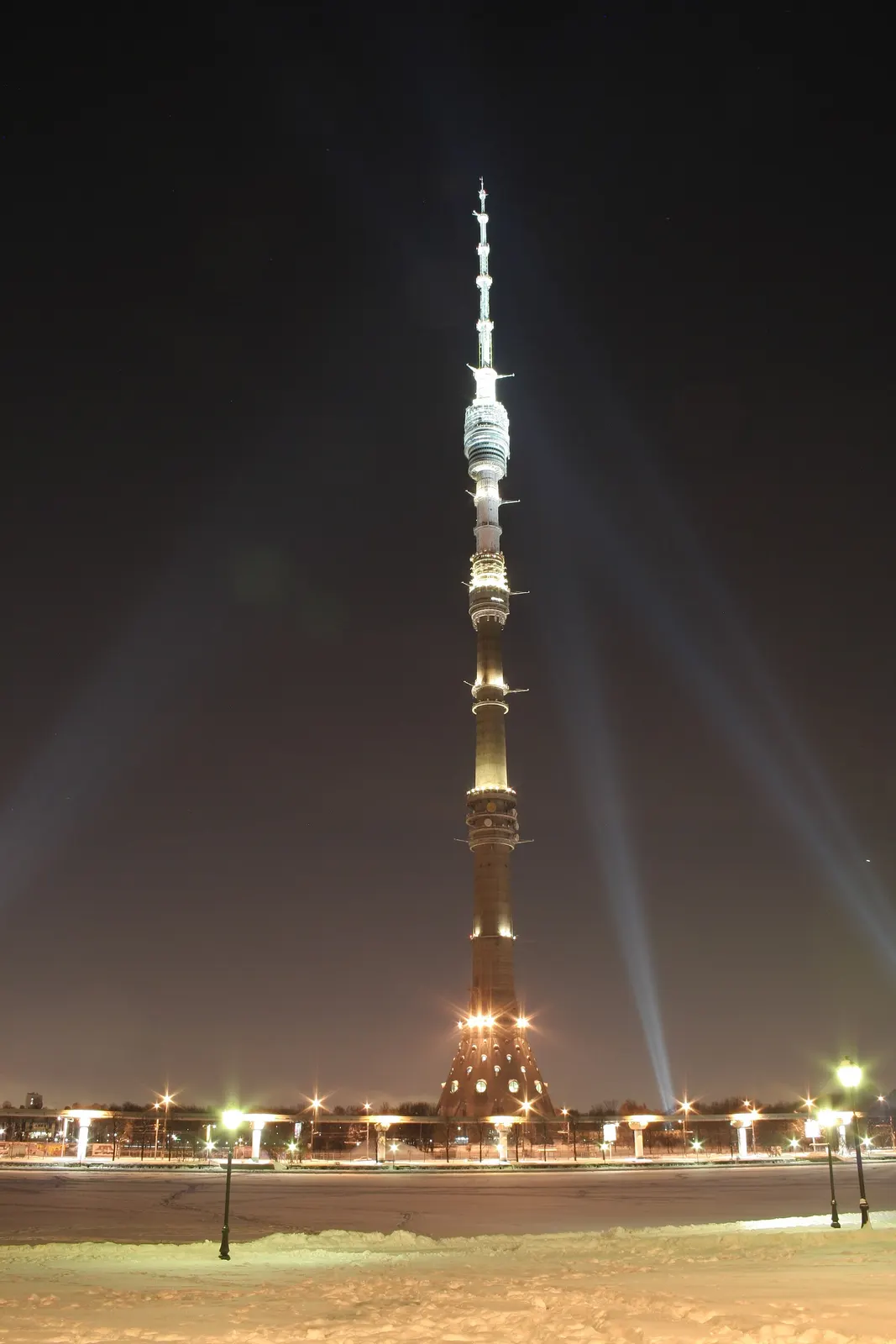
At Ostankino, the main TV centre in Moscow, he is told to call in the announcer on duty. Channel 1 and Channel 2 must show the same thing. Oskolkov says Kravchenko himself doesn’t know yet what is going on. Only one thing is clear: important documents will arrive by six in the morning.
At six, they are read on air. A group of the country’s top officials, the State Emergency Committee, takes power. They say the Soviet leader, Mikhail Gorbachev, is ill. In fact, he is cut off at his holiday house in Crimea.
Channel 2, the channel of the Russian Republic, is switched off. On Channel 1, regular programmes continue, and from time to time the announcers read out new orders from the committee.
Closer to noon, the duty editor calls. At 12:45 there is a technical break until three in the afternoon. In those years this was normal: in the daytime, a test pattern could stay on screen for a couple of hours. Today it would look like a no-signal screen in the middle of a working day.
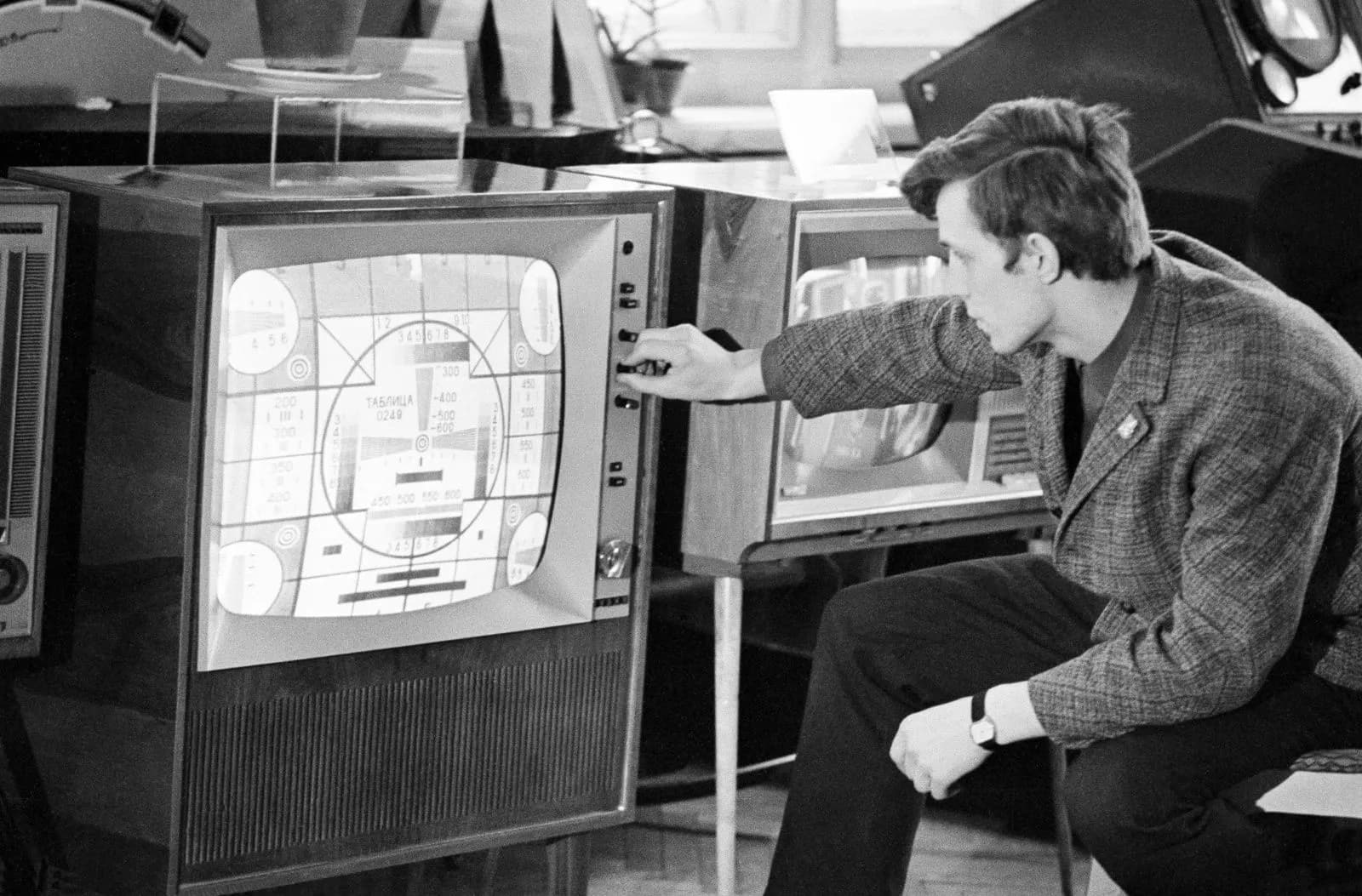
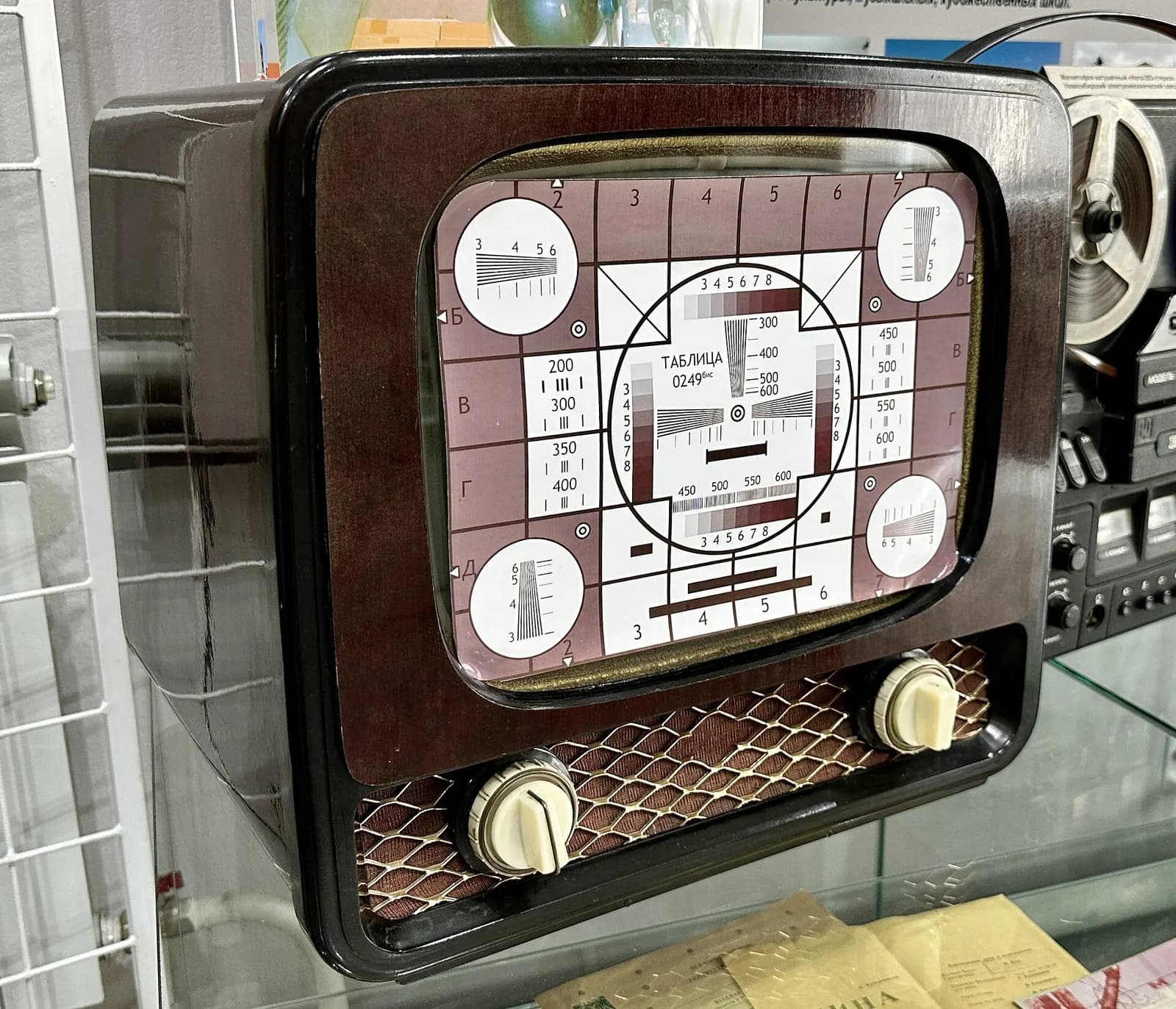
Oskolkov remembers: “I got nervous. Nobody knew what was happening in the country. What if every TV in the USSR went dark too?” He calls Kravchenko. The answer is one word.
Decide.There is no time to prepare a new programme. Oskolkov opens the evening schedule. There it is: the Bessmertnova recording. Swan Lake. Running time, 1 hour 55 minutes. It is exactly what he needs.
The ballet fills almost the whole gap.
At 12:45, swans appear on screens across the country. Oskolkov says he wasn’t thinking about ideology. His task was technical. According to him, the committee gave only one order: switch off Channel 2. The committee, he says, had nothing to do with Swan Lake.
Oskolkov told this story to the newspaper Komsomolskaya Pravda, 35 years later. We found no documents that confirm it.
His boss at the time, Kravchenko, told it differently. In 2011 he told a news site that his own call came at about half past one in the morning, and that the schedule had Swan Lake twice: in the morning and in the evening.
If we believe Oskolkov, he did it himself. Yet millions of people remember this day differently.
As a dancer, I understand why Swan Lake was the safe choice. Nobody speaks in Swan Lake. There is nothing political in it. You can show it on any day.
Now a question. Where was the ballerina from that recording? And the whole Bolshoi? They weren’t in Moscow. They were on tour, very far away.
Three Days in August
- 17:00Press conference of the committeeVice President Yanaev
- EveningVremyaReport from the White House
- LateSwan Lake, a second time
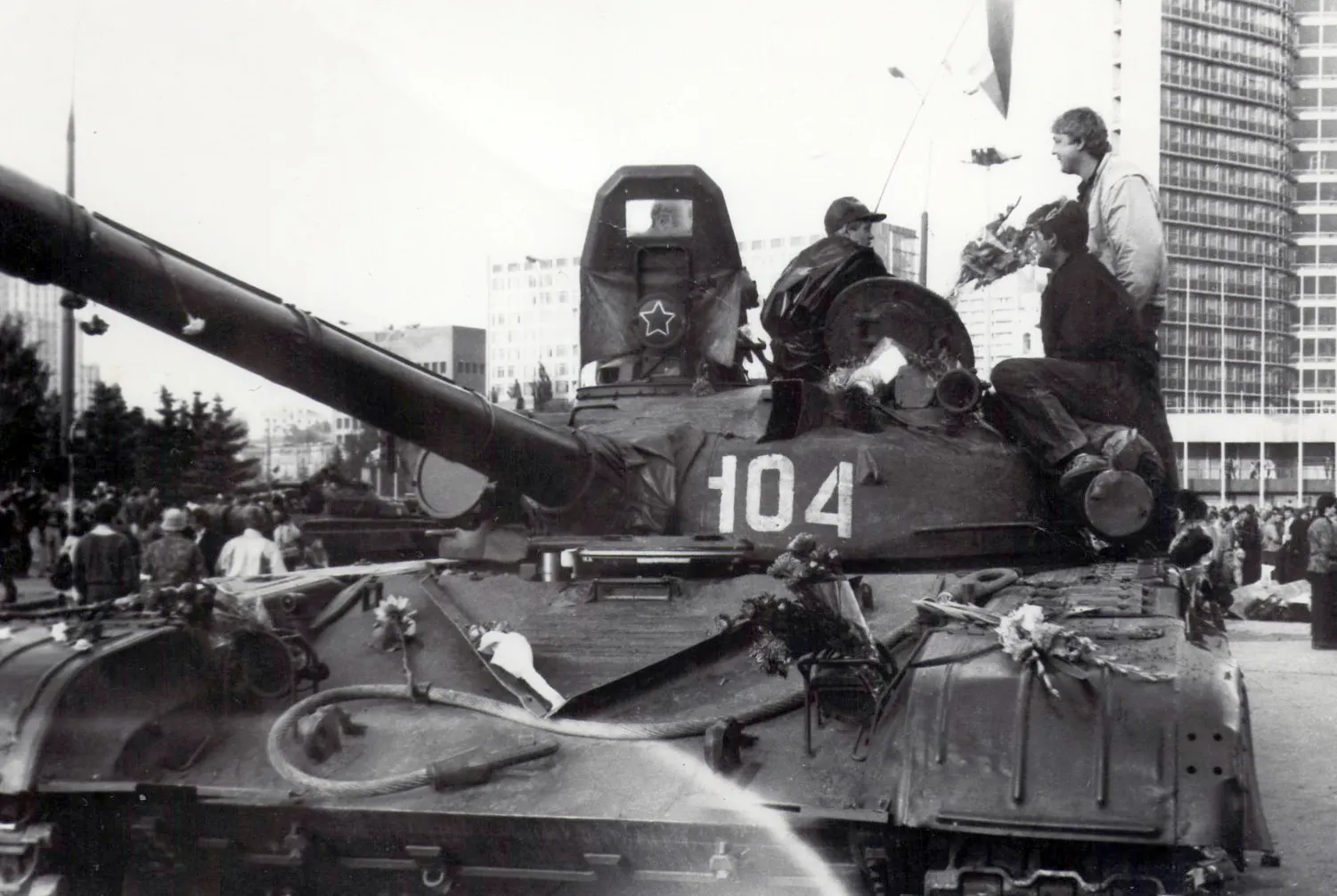
Moscow, the 19th of August. Since the morning, columns of armoured vehicles have been moving through the city. People are gathering at the White House, where Russia’s parliament sits. The president of Russia, Boris Yeltsin, calls the committee’s actions illegal.
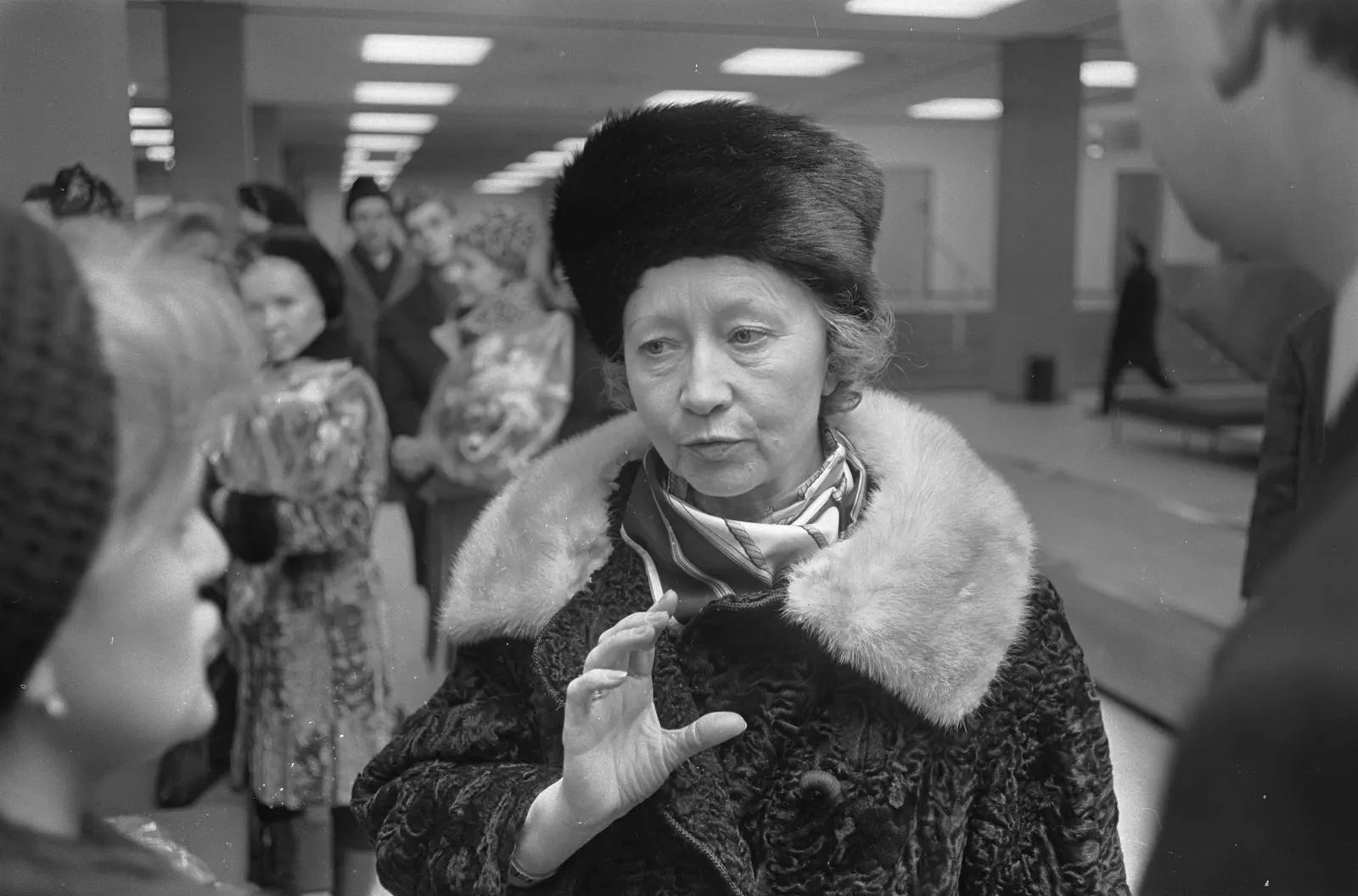
On the other side of the world, the Bolshoi is on tour in Latin America. According to Olga Svistunova, the tour’s press secretary, 147 performers are travelling, led by Grigorovich. She says even the legendary Galina Ulanova is with them as a coach. On the 19th of August, the company is in Buenos Aires.
The company manager asks the officials travelling with them what is going on. They answer: we don’t know what is happening. We don’t understand. We are waiting for information. And it’s better not to talk to anyone about this.
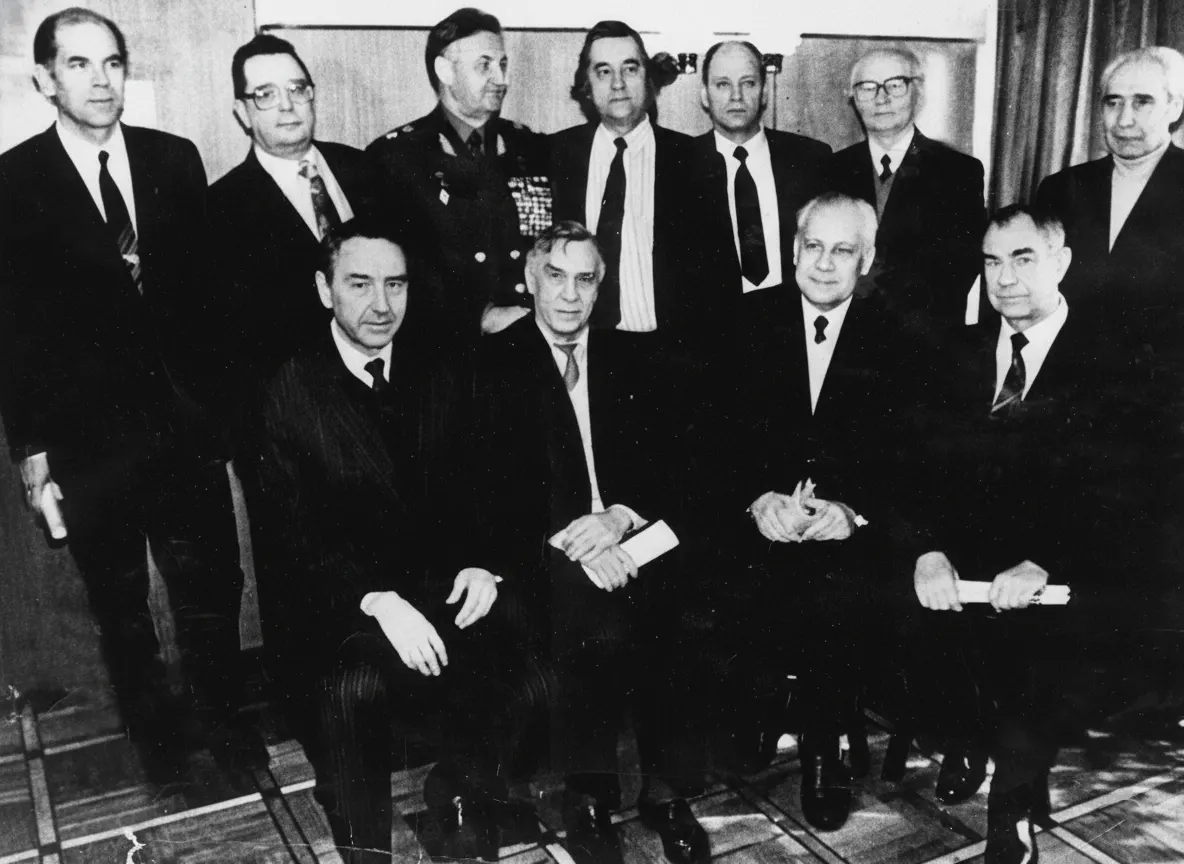
In Moscow, it seems the committee has television in its hands: one channel for the whole country, and its orders on air. At five in the evening the committee holds a press conference. Its leader is Vice President Gennady Yanaev. Everyone sees his hands shaking.
These images will go around the world. Some will later call it the coup of shaking hands.
Tatiana Malkina, a journalist from the newspaper Nezavisimaya Gazeta, is 24. She asks Yanaev whether he understands that last night he carried out a coup d’état.
In the evening, the main news programme Vremya shows a report from the White House by correspondent Sergey Medvedev. In it, Yeltsin reads his decree declaring the committee illegal. On the committee’s own channel, millions of people see it.
Remember the name Medvedev. Ten years later, it will come back into our story.
The days, as the film tells them
- 19 Aug · after midnightOskolkov gets the call to come to work.
- 19 Aug · 6:00The committee’s documents are read on air. Channel 2 is switched off.
- 19 Aug · 12:45A technical break was planned until 15:00. Swan Lake, if we believe Oskolkov.
- 19 Aug · 17:00The committee’s press conference.
- 19 Aug · eveningVremya shows Yeltsin’s decree.
- 19 Aug · late eveningSwan Lake is shown a second time.
- 20 AugBarricades go up around the White House. People wait for an attack.
- 21 Aug · early hoursThree young men die in a tunnel in Moscow.
- 21 AugThe troops leave Moscow. News reaches Argentina: the coup is failing.
- 22 Aug · early hoursGorbachev returns from Crimea. The members of the committee are arrested.
- Four months laterThe Soviet Union will be gone.
How many times was it really shown? Oskolkov says twice, both on the first day. A 2021 article by TASS says the ballet ran for three days in a row, and that is how most people remember it. Only an archive recording of the broadcast can answer for sure.
On the 20th of August, barricades go up around the White House and people wait for an attack. In the early hours of the 21st, three young men die in a tunnel in Moscow.
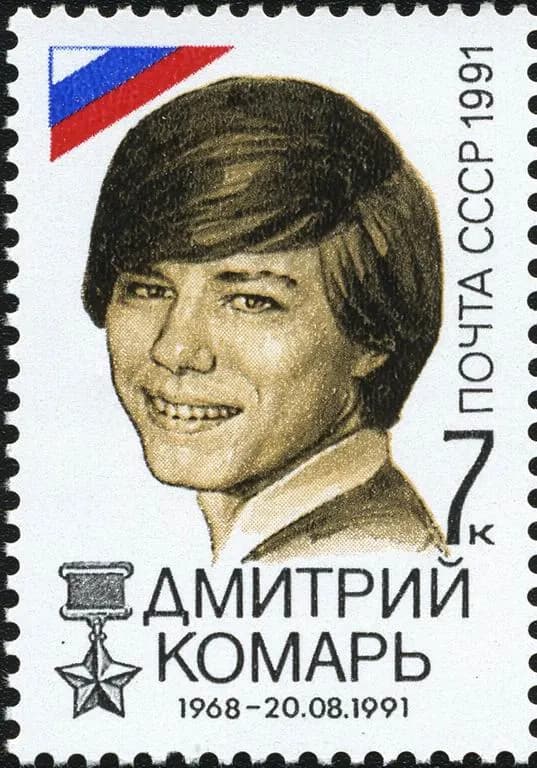
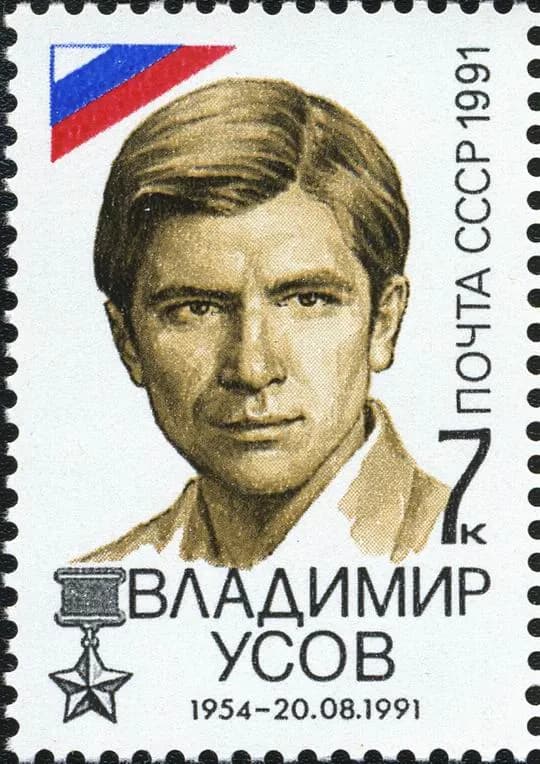
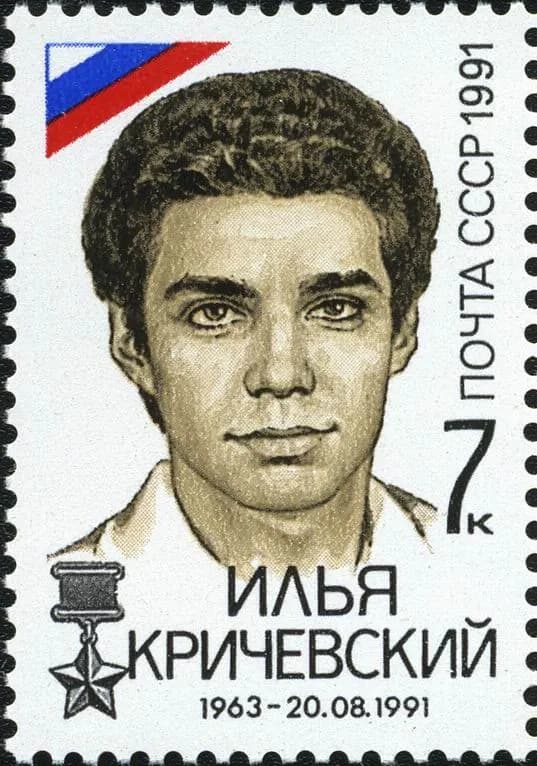
USSR stamps, 1991. Public domain
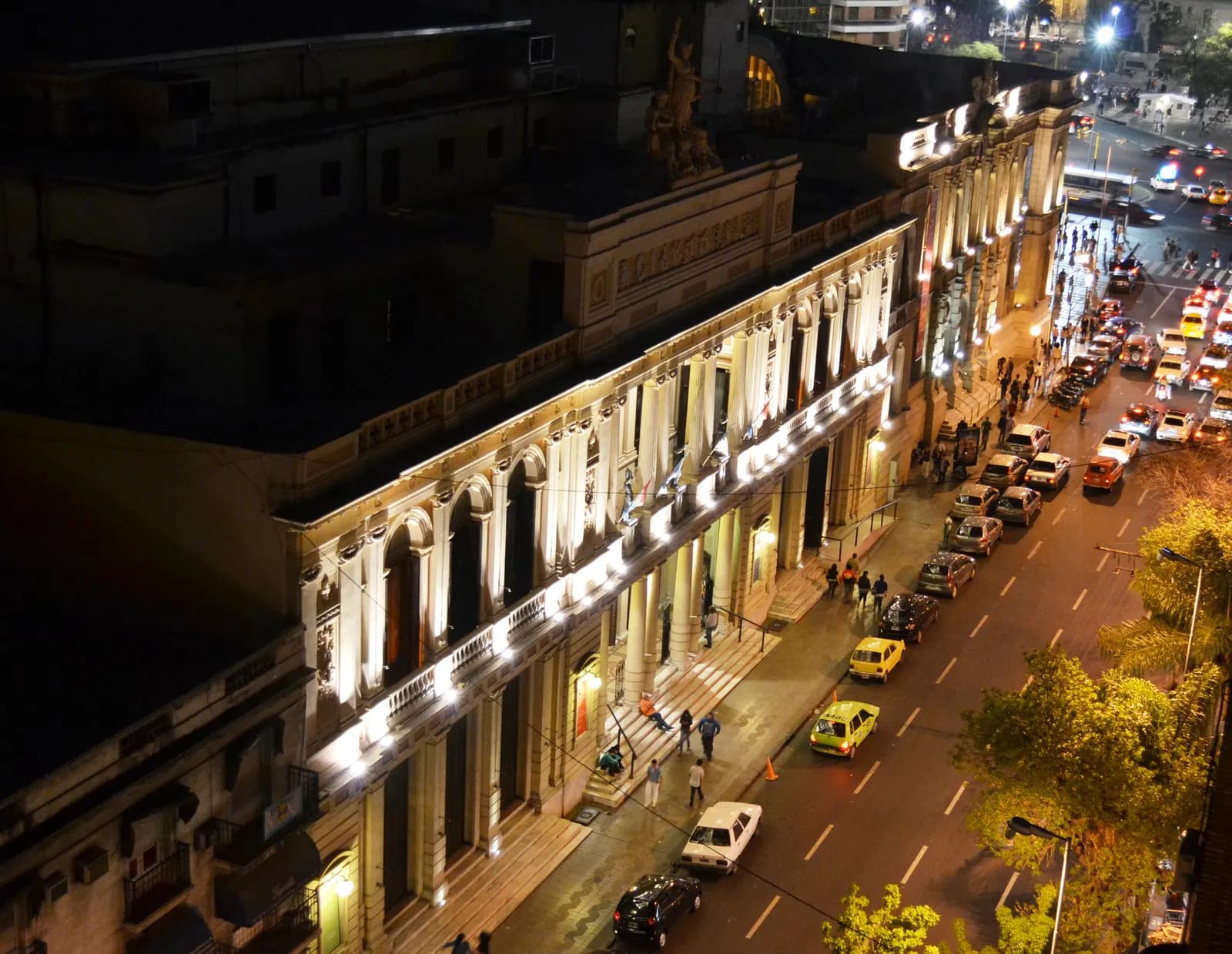
In Argentina, an ocean seems to separate the dancers from the coup. But the coup reaches them there too. Under the contract, the shows must go on. Backstage, the dancers hold a meeting. They finish their part and go there straight from the stage.
On the 21st of August the troops leave Moscow, and news reaches Argentina: the coup is failing. Svistunova remembers that the show in Córdoba ends in a thunderous ovation. At the same time, on the square in front of the theatre, there is a rally in support of democracy in the USSR. When the show is over, the whole square is covered in leaflets.
Impresarios offer the dancers good contracts abroad. All 147 go home. In the early hours of the 22nd, Gorbachev returns from Crimea. The members of the committee are arrested. Four months later, the Soviet Union will be gone.
“They could just as well have shown an opera, symphonic music, a classical drama.For some reason, they needed to play the innocent Swan Lake over and over and turn it into a bogeyman.”
Natalia Bessmertnova, ten years after the coup
Think about Natalia Bessmertnova. It was her birthday, her best role in her husband’s production. And that broadcast made it a sign of fear for millions. She was in Buenos Aires. She saw none of it.
I understand why it hurt her. For a ballerina, this role is years of work.
The Legend
- BlockedBroadcast stopsAnnounced live by Natalia Sindeeva
- AfterSwan LakeA direct reference to 1991
2001. Ten years after the coup, two things happen in the same year. Sergey Medvedev, who filmed Yeltsin at the White House, makes a documentary about those days, with Swan Lake and the coup committee’s order in its title. Years later, Oskolkov would call the order story a fairy tale. But in 2001 the film is shown on Channel 1, and the legend sticks.
And at the Bolshoi, Grigorovich stages a new version. The tragic ending is back, 32 years after the officials sent it back.

On the 3rd of March 2022, TV Rain, an independent TV channel, stops broadcasting after being blocked. Its director, Natalia Sindeeva, announces it live. After that, the channel shows Swan Lake, a direct reference to 1991.
And so this story gets one more ending: swans close the broadcast of a whole TV channel.
The phrase “turn on Swan Lake” is still alive today.
In June 2023, the mercenary boss Yevgeny Prigozhin sends his troops towards Moscow. There are no swans on TV, people post them themselves. Social media fills up with jokes about the ballet.
Five endings
Let’s go back to the 19th of August 1991, one last time. Almost nobody talks about how the ballet ended that day.
The lovers drown in the lake.
The lovers die, but their souls stay together.
The prince defeats the evil sorcerer. Good wins.
Tragic again, 32 years after the officials sent it back.
The prince defeats the evil sorcerer. Odette and the prince stay together among the swans. Love wins.
The recording plays to the end. Almost two hours later, the last scene is on screen. It is the same happy ending the Bolshoi had to make in 1969.
On the day Soviet power was falling, the country watched the Soviet ending.
The innocent Swan Lake, as Bessmertnova called it, played to the very last note.
So how did a ballet that failed at its premiere become the most famous ballet in the world, and a sign of power falling?
An evening in Tchaikovsky’s memory brought it back, and Petipa and Ivanov made it a classic.
If we believe Oskolkov, in 1991 one man needed two safe hours, and the ballet was already in the schedule. But for years people had learned to read the TV screen: a cancelled concert, serious music on the radio, and the next morning, news from the Kremlin. On the 19th of August they saw swans instead of news. And the code worked.
Ten years later, a documentary turned that day into a legend. That’s why the ballet no longer needs to be on air. People turn it on in their heads.
Swan Lake is a story about love, the exam for every ballerina and for millions of people. It also became a sign of fear. But in the theatre, it’s still the same ballet.
What did your family see on TV on August 19th, 1991?
Tell me in the comments under the film.
Answer on YouTubeSwan Lake is danced somewhere tonight. Your evening can start with one class.
If this story moved you, try ballet yourself: at any age, at any level, from home.
- At your paceCoursesVideo courses you follow at home, at your own pace.See the courses →
- One to onePrivate lessonsOne to one with me, online, built around your body and your goals.Book a private lesson →
- 3× a weekLive classesGroup classes on Zoom, three times a week, in your time zone.See the schedule →
Not sure where to start? Take a free class first
Sources
- Viktor Oskolkov, interview in Komsomolskaya Pravda
- Leonid Kravchenko, interview, 2011
- Kommersant, on the 1969 production
- TASS reports, 1991 and 2021
- Olga Svistunova, press secretary of the Bolshoi tour
- Soviet Central Television (Vremya, 1982 and 1991; the committee’s press conference; morning broadcast of 19 August 1991)
- Film-ballets Swan Lake (1953, 1957); Bolshoi Theatre performance (1983); TV Rain, 3 March 2022
Photographs
- Tchaikovsky, Kharkiv 1893: A. Fedetsky, public domain
- Bolshoi Theatre, 1883: N. Naidenov, public domain
- Pierina Legnani, Marius Petipa, Lev Ivanov, set design 1895: public domain
- Yuri Grigorovich, 1979: Bernard Gotfryd, Library of Congress, public domain
- Yekaterina Furtseva, 1963: Joop van Bilsen / Anefo, Nationaal Archief, CC0
- Bessmertnova and Tikhonov: G. Soloviov, RIA Novosti archive #503700, CC BY-SA 3.0
- A family at the television: Igor Vinogradov / RIA Novosti archive #714106, CC BY-SA 3.0
- Leaders, 7 November 1976: Glavarkhiv Moscow, CC BY 4.0
- Rubin test pattern, 1969: V. Kunov, Glavarkhiv Moscow, CC BY 4.0
- Test pattern 0249: Vyacheslav Bukharov, CC BY-SA 4.0
- Ostankino tower at night: Andrey Belenko, CC BY 2.0
- T-72 in Moscow, 1991: Ivan Simochkin, CC BY-SA 3.0
- Galina Ulanova, 1968: Eric Koch / Anefo, Nationaal Archief, CC0
- Committee members, 1993: Yu. Rybchinsky, V. Zaporozhchenko, CC BY 4.0
- USSR stamps, 1991: public domain
- Teatro del Libertador, Córdoba: Nadiapicco, CC BY-SA 3.0
- Natalia Sindeeva, 2015: Birulik, CC BY-SA 4.0
- Ekaterina Lunkina, 2011: Irina Lepneva, CC BY-SA 3.0
- Serbian National Theatre, 2008: Miomir Polzović, CC BY-SA 3.0
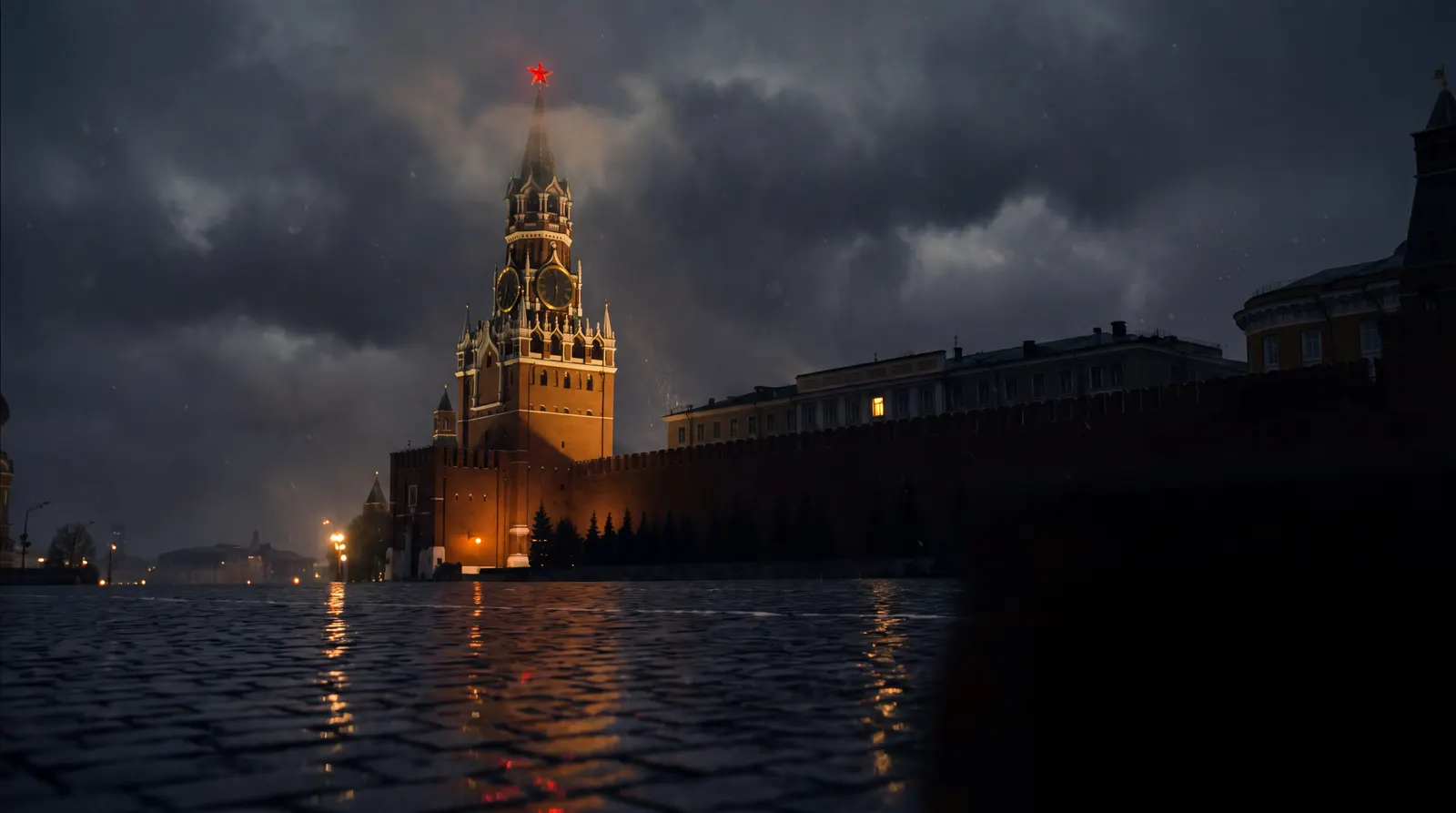
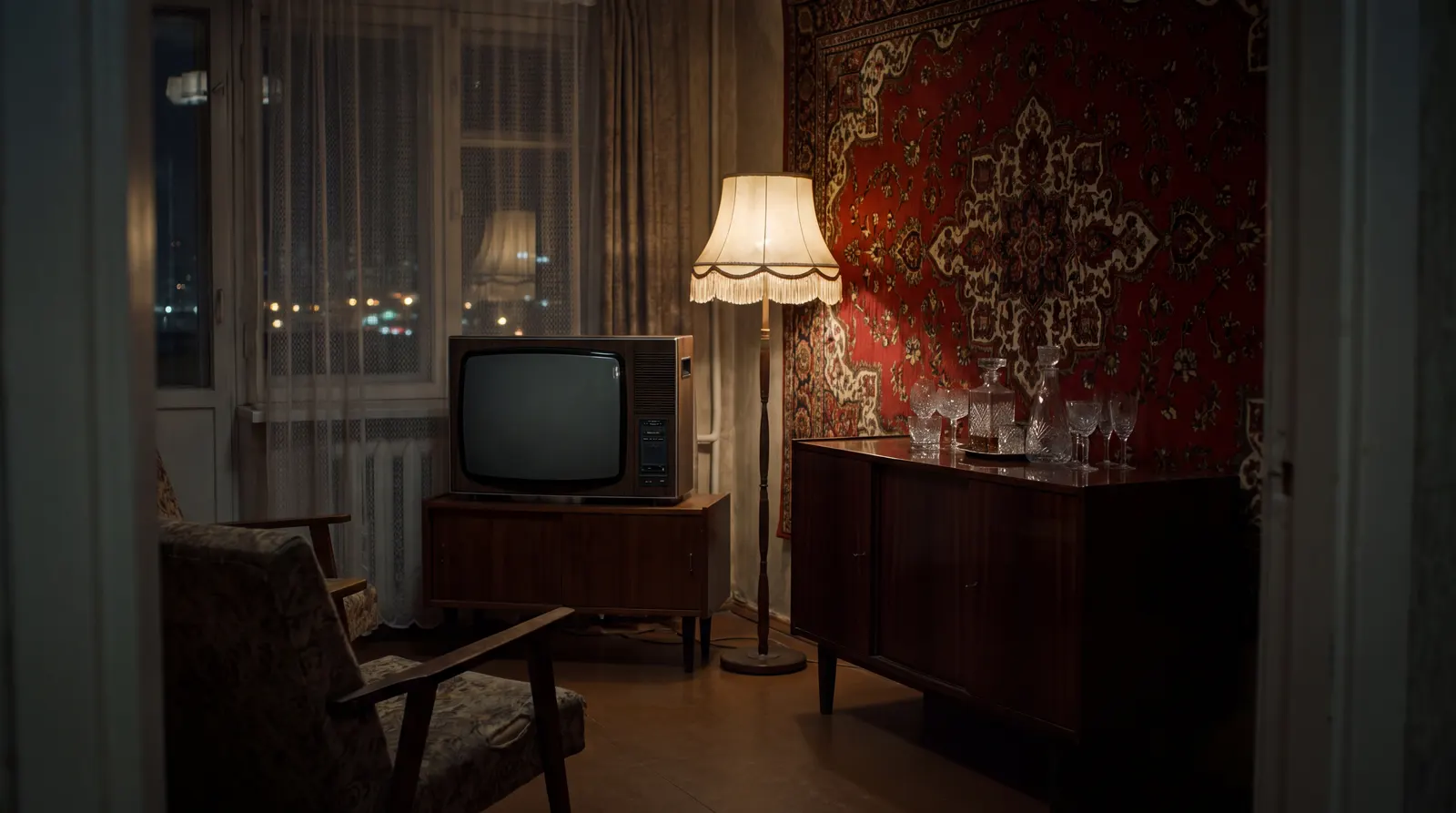
Images marked Reconstruction (the Kremlin at night, the Soviet living room, the pointe shoes) are illustrations made with AI. Everything else on this page is an archival photograph.