Inner Thigh Exercises for Stronger, Toned Legs
Oleg Ignatev · July 3, 2026 · 5 min read
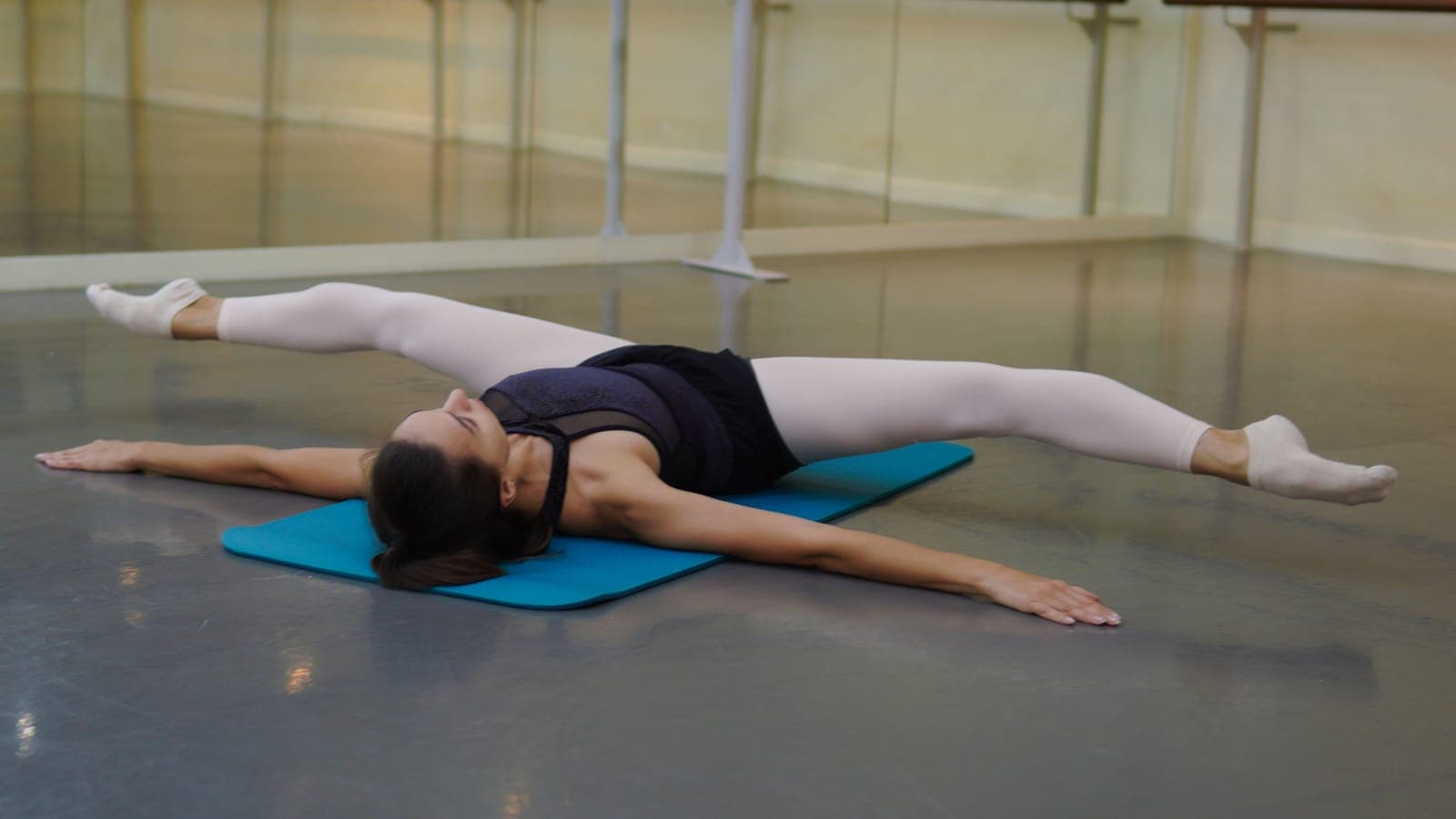
Squats, lunges, running: most leg training hammers the front and back of the thighs and quietly ignores the inside. Then people wonder why their legs feel strong but don't look finished. In ballet the inner thigh is never an afterthought. It is half the line.
In short: train the inner thighs with slow, controlled, ballet-based movement: wide pliés, side-lying lifts, small pulses and squeezes. A few minutes, three to five times a week, tones the area most workouts miss and steadies the knees and hips. No machines needed.
The muscle group everything else forgot
The inner thighs are not just a cosmetic zone. They pull the legs toward the midline, steady the knees, and keep the pelvis level with every step. When they are weak, the knees drift, the walk loses its line, and the legs look unfinished no matter how many squats you do. When they are strong, everything from your stance to your stride quietly tidies up.
Good to know
Dancers train the inner thighs constantly without ever isolating them on a machine. Turnout, pliés and controlled leg work load them through full range, which is why a dancer's legs look complete: every side of the thigh is doing its share.
Four ballet-based moves
- 1Wide plié. Feet wide, toes turned comfortably out, back tall. Bend the knees over the toes and press back up slowly, squeezing the inner thighs as you rise. Ten to twelve slow reps.
- 2Side-lying inner lift. Lie on your side, top leg resting bent in front, bottom leg long. Lift the bottom leg a few centimetres and lower with control. Twelve to fifteen each side; small and precise beats high and sloppy.
- 3Plié pulses. In your wide plié, stay low and pulse two or three centimetres for twenty counts. The burn arrives fast; keep the back tall and the pace calm.
- 4Pillow squeeze. Lie on your back, knees bent, a pillow between the knees. Squeeze for five slow breaths, release, repeat five times. Quiet, deep, surprisingly effective.
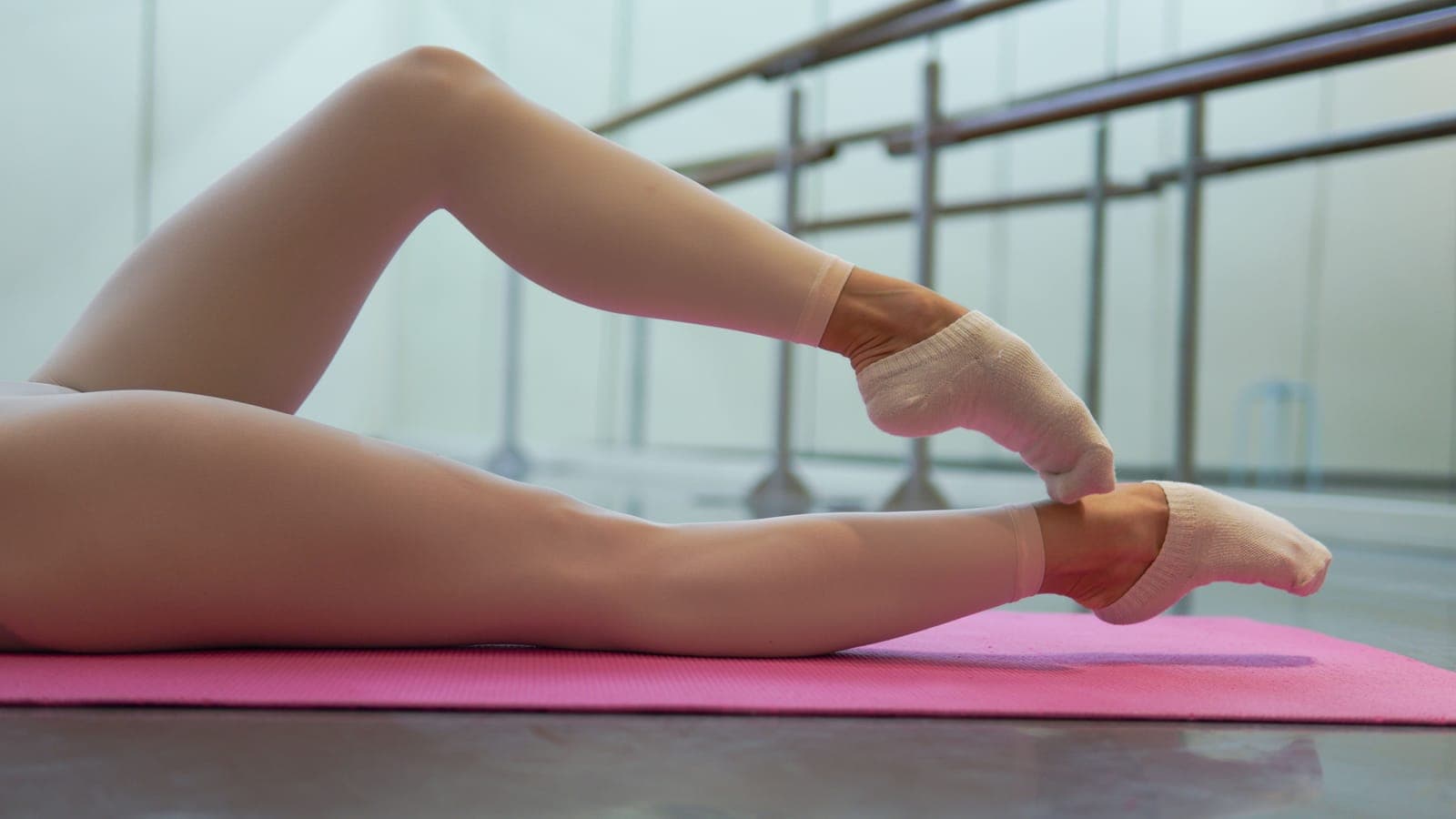
Myth: The right exercises will give anyone a thigh gap.
Truth: The space between your thighs is set mostly by bone structure and overall body composition, not by any exercise. What training does change is strength, shape and tone, and that is what actually reads as beautiful, strong legs.
Tempo is the secret. Two counts down, two counts up, no momentum. If a movement feels easy, slow it down before you add anything else.
In ballet the inner thigh is never an afterthought. It is half the line of the leg.
Questions, answered
How often should I train the inner thighs?
Three to five short sessions a week works beautifully. The moves are gentle enough to do often, and frequency is what shapes them.
Will these make my thighs bigger?
No. Slow, controlled, low-load work builds tone and definition, not size. Bulk requires heavy progressive loading, which is a different kind of training.
My knees are sensitive. Can I do these?
Yes, with care. Keep the plié shallow, the knees tracking over the toes, and skip anything that pinches. The side-lying lift and pillow squeeze are especially knee-friendly.
How fast will I feel a difference?
You will feel the muscles working from the first session. Visible tone usually shows within a few weeks of regular practice, alongside steadier knees and a cleaner walk.
Toned Legs
Sculpt and strengthen your legs with ballet-based conditioning: low impact, high elegance.
Keep reading
How to Get Long, Lean Legs the Dancer Way (No Bulk)
Why dancers' legs look long and lean, and how to train yours that way at home, from a Vaganova-trained dancer. Low impact, no heavy weights, no bulk.
5 min read
How to Do the Splits at Home (Even If You're Not Flexible)
A safe, step-by-step way to work toward your first front split at home, from a Vaganova-trained dancer. No experience needed, just a few honest minutes a day.
6 min read
The Best Way to Ease Lower Back Pain at Home (Gentle, 10 Minutes)
Why gentle movement beats rest for an aching lower back, and a calm way to start at home, from a Vaganova-trained, Mariinsky Theatre dancer.
6 min read