Back Pain from Sitting All Day? A 10-Minute Evening Fix
Oleg Ignatev · July 3, 2026 · 6 min read
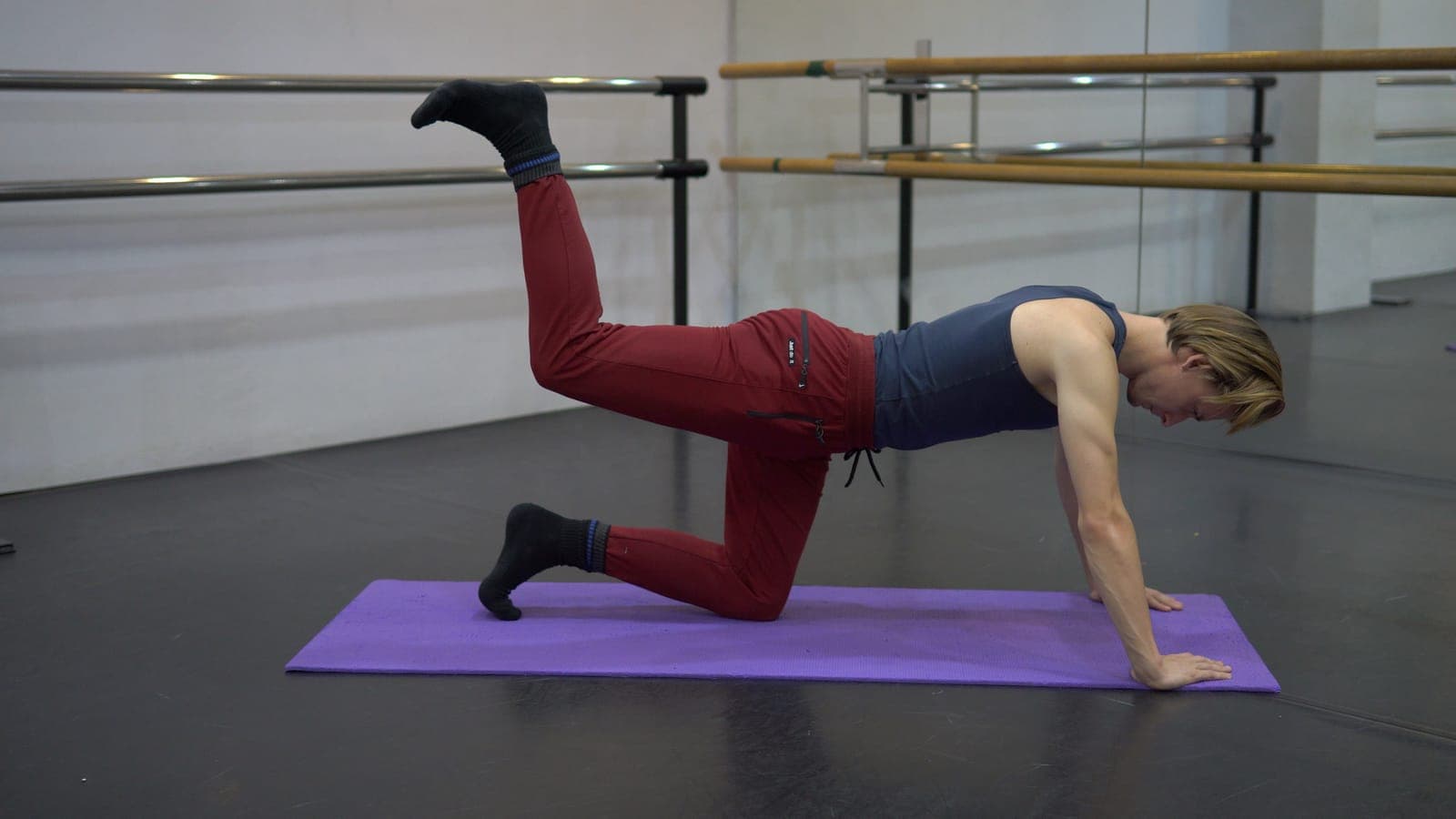
Your back was fine this morning. By six in the evening it is heavy, tight and older than you are. Nothing dramatic happened in between, just a chair, a screen and a few thousand quiet minutes of sitting. Here is what those minutes do, and the ten that undo them.
In short: sitting shortens the hip flexors, switches off the glutes and rounds the spine, and the ache builds by evening. Ten minutes of gentle movement most evenings, plus a one-minute break every hour, undoes most of it. Move within comfort, and see a doctor for sharp or radiating pain.
What a desk day actually does to your back
Sitting is not evil, it is just very repetitive. Hour after hour in the same shape, the front of your hips adapts by staying short, the glutes have nothing to do and go quiet, and the spine settles into a rounded slump. Your lower back ends up doing jobs that belong to the hips and glutes, and by evening it complains.
Good to know
The muscles at the front of the hip adapt to the positions they spend the most time in. Keep them folded for eight hours a day and they behave shorter and tighter, quietly pulling on the pelvis and lower back when you finally stand up.
A 30-second self-check
- Stand up, reach both arms overhead and gently lengthen back. A strong pull at the front of your hips is sitting tightness talking
- Look sideways in a mirror. If your head sits forward of your chest, the desk posture has followed you home
- March slowly in place. If your lower back grips instead of your legs swinging free, the hips have stopped doing their share
The 10-minute evening routine
- 1Open the front of the hips. A gentle low lunge, back knee on the floor, tail tucked slightly. Breathe slowly for 30 to 45 seconds each side.
- 2Wave the spine. On all fours, round and arch slowly, like a cat waking up. Eight to ten unhurried waves.
- 3Open the chest. Stand in a doorway, forearm on the frame, and turn gently away until the front of the shoulder lengthens. 30 seconds each side.
- 4Unwind with a twist. Lie on your back, knees to one side, arms wide, and let the back release. A minute each side, breathing into the ribs.
- 5Fold and hang. Feet apart, knees soft, and fold forward letting the head and arms hang heavy. Thirty slow seconds, then roll up one vertebra at a time.
During the workday, use the one-minute rule: once an hour, stand, roll the shoulders, take five slow breaths and sit back down. It sounds like nothing. It is the difference between stiffness that builds all day and stiffness that never gets the chance.
Myth: A better chair will fix it.
Truth: A good chair helps, but no chair moves for you. The problem is not the seat, it is the stillness. Ten minutes of movement do what no amount of ergonomic equipment can.
Make it stick
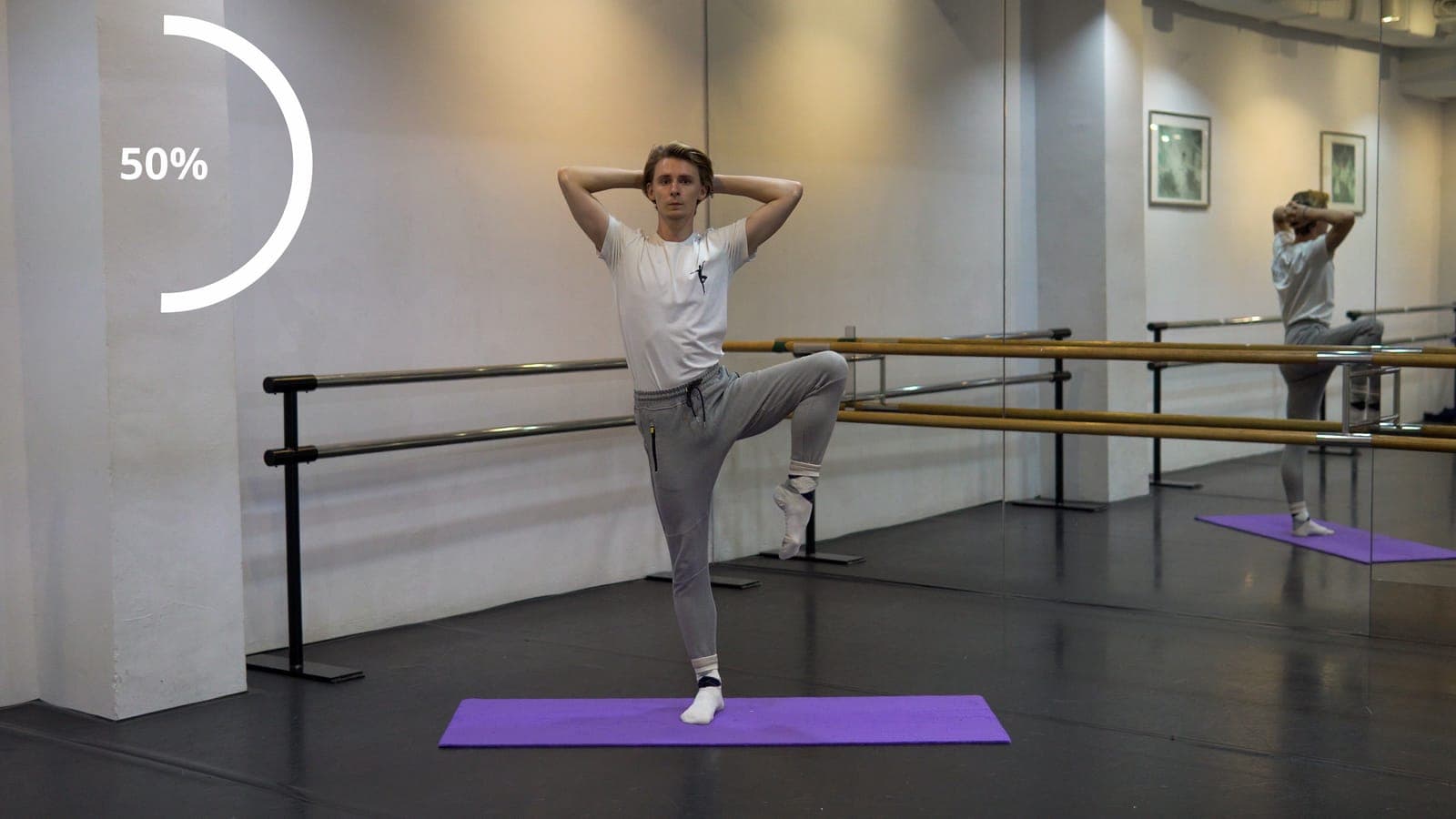
Attach the routine to something that already happens: after you close the laptop, while dinner is in the oven, before your evening shower. Dancers keep their backs mobile not through willpower but through ritual, the same few minutes at the same point in the day. Borrow that.
Your back doesn't need a perfect chair. It needs a few honest minutes of movement.
Questions, answered
How soon will my back feel better?
Most people feel lighter after the very first session, and noticeably freer within a week or two of doing it most evenings. The ache that took years to build starts easing in days.
Morning or evening, which is better?
Evening suits this routine best, because it undoes the day you just sat through. If you love mornings, do a shorter, gentler version then too. Both is lovely, either is enough.
Do I need any equipment?
No. A bit of floor, something soft under the knee, and ten minutes. That's the entire list.
When should I see a doctor instead?
For sharp pain, pain after an injury, numbness or tingling, or pain that travels down a leg. This routine is for the ordinary stiffness and ache of sitting, not for medical conditions.
Healthy Back
Ease tension and rebuild a strong, mobile back for stiff, aching or herniated-disc spines, and a dancer's upright posture.
Keep reading
The Best Way to Ease Lower Back Pain at Home (Gentle, 10 Minutes)
Why gentle movement beats rest for an aching lower back, and a calm way to start at home, from a Vaganova-trained, Mariinsky Theatre dancer.
6 min read
How to Improve Your Posture, and Actually Keep It
Why 'sit up straight' never lasts, and what actually builds tall, easy posture: mobility plus quiet strength, from a Mariinsky-trained dancer.
6 min read
How to Do the Splits at Home (Even If You're Not Flexible)
A safe, step-by-step way to work toward your first front split at home, from a Vaganova-trained dancer. No experience needed, just a few honest minutes a day.
6 min read