How to Improve Your Posture, and Actually Keep It
Oleg Ignatev · July 3, 2026 · 6 min read
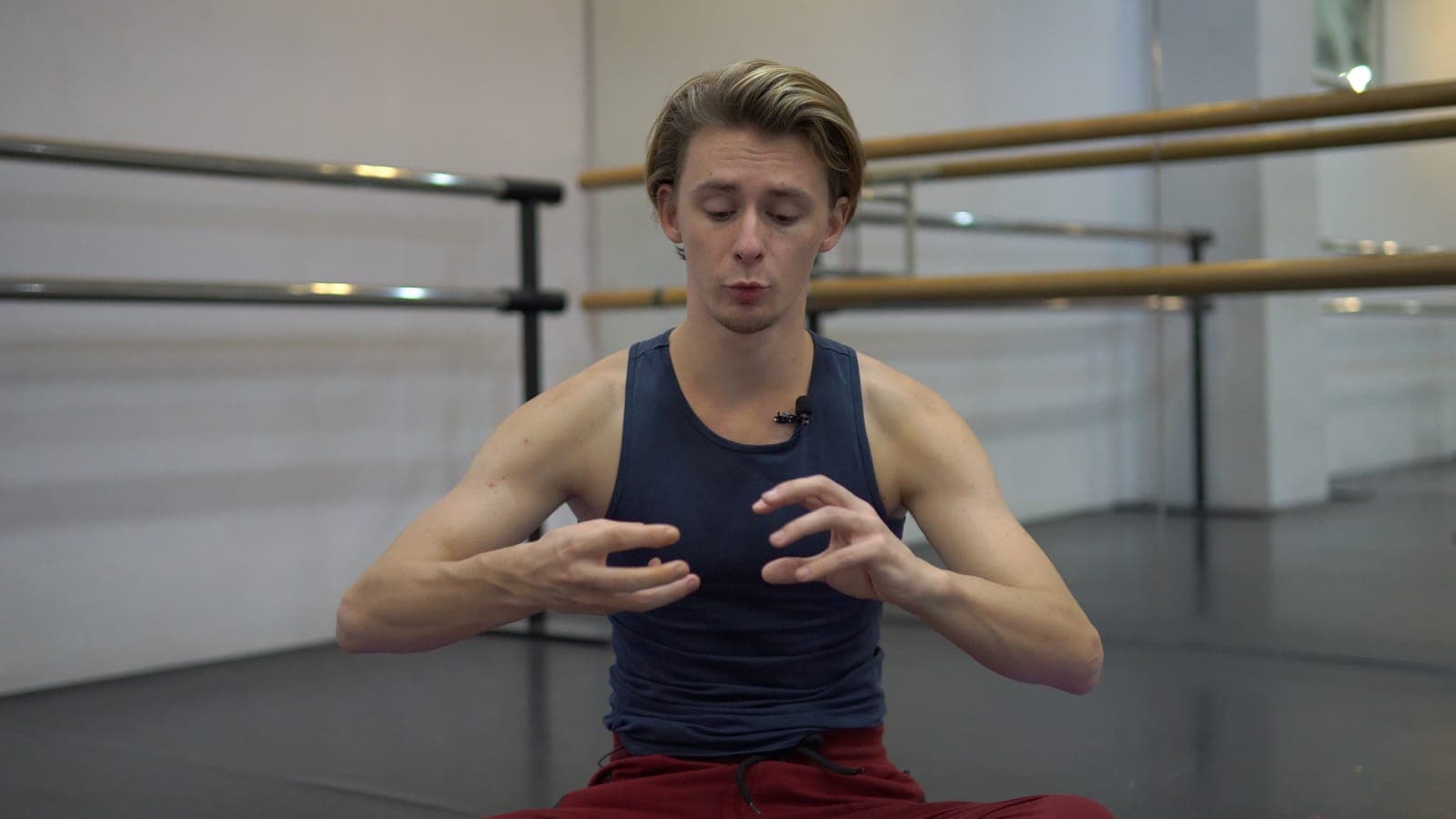
Everyone knows the feeling: you remember your posture, you straighten up, and ninety seconds later you have melted back into the slouch. It is not a discipline problem. Posture built on willpower always loses, because willpower runs out and your muscles don't.
In short: posture is not a position you hold, it is a capacity you build. A body that stands tall on its own needs two things: mobility in the spine, chest and hips, and quiet strength in the back and core. Train both a few minutes a day and tall stops taking effort.
Why 'sit up straight' always fails
When you force yourself upright, you are asking tired muscles to grip a position they are not conditioned to hold, while tight ones pull you back down. Ninety seconds later the grip lets go. The slouch is not laziness, it is simply the shape your body currently finds easiest. The fix is to change what is easy.
Good to know
Dancers are not taught to 'hold' their posture. Years of mobility and strength work make the tall position the body's default, so it costs nothing to stay there. The same principle scales down beautifully to everyday life: build the capacity, and the posture keeps itself.
Myth: Good posture means keeping your back rigid and shoulders pinned.
Truth: A rigid back is just a different kind of strain, and it tires as fast as slouching. Real posture is springy and easy: a mobile spine, an open chest, and enough quiet strength that tall feels like resting.
The four movements that build it
- 1Open the chest. Doorway stretch or hands behind the back, lifting the breastbone. Hours at a screen close the front of the body; this reopens it. 30 seconds, twice.
- 2Free the upper back. On all fours, thread one arm under and through, then reach it up and open. The upper spine is where most slouches live. Five slow rotations each side.
- 3Wake the back muscles. Lie on your front, hands lightly by your shoulders, and float the chest a few centimetres up without pushing. Ten slow lifts. This is the quiet strength that carries you tall.
- 4Stack and breathe. Stand against a wall, heels, hips and shoulders touching, crown reaching up. Three slow breaths. Step away and keep the feeling.
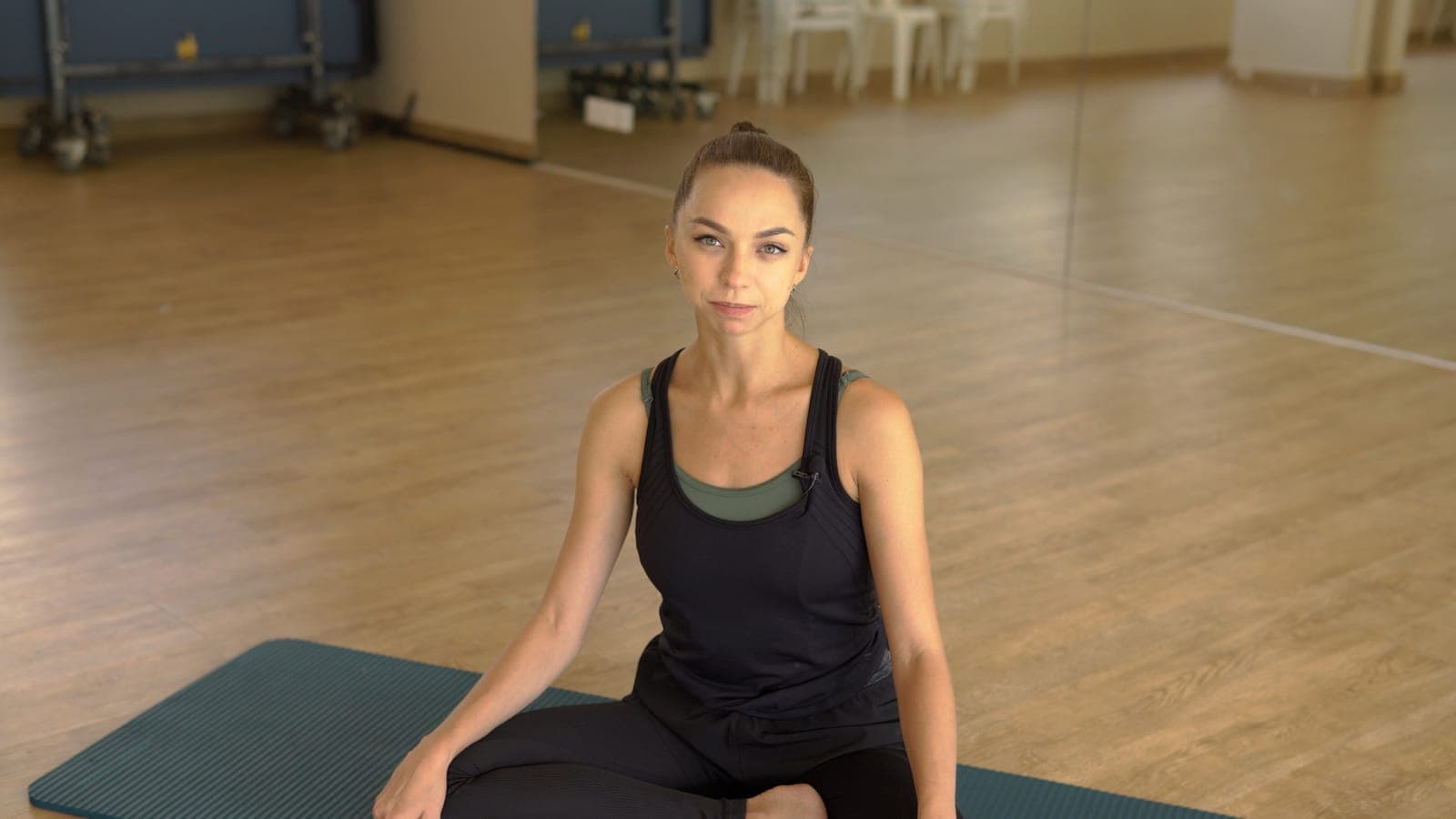
Three habits that make it stick
- Once an hour, stand and reach tall for three breaths. Posture resets by little touches, not marathons
- Raise your screen to eye level. The head follows the eyes, and the spine follows the head
- Practise the movements above most days. A few minutes is enough; frequency is the whole trick
You cannot will yourself into good posture. You can train a body for which tall is simply home.
Questions, answered
How long until my posture visibly changes?
You stand differently the moment you finish the movements, and that becomes your resting state over weeks. Most people hear a comment from someone else within a month of daily practice.
Can posture improve at any age?
Yes. Unless there is a structural condition, posture reflects mobility and strength, and both respond to training at every age.
Do posture correctors and braces work?
They remind, but they also do the work for your muscles, which keeps the muscles weak. Used briefly they are harmless; the lasting change comes from movement.
Is slouching actually harmful?
An occasional slouch is human and fine. Living there all day, every day, is what feeds stiffness, shallow breathing and that end-of-day heaviness. Variety and movement are what the spine wants.
Healthy Back
Ease tension and rebuild a strong, mobile back for stiff, aching or herniated-disc spines, and a dancer's upright posture.
Keep reading
The Best Way to Ease Lower Back Pain at Home (Gentle, 10 Minutes)
Why gentle movement beats rest for an aching lower back, and a calm way to start at home, from a Vaganova-trained, Mariinsky Theatre dancer.
6 min read
Back Pain from Sitting All Day? A 10-Minute Evening Fix
Why a desk day leaves your back aching by evening, a 30-second self-check, and a gentle 10-minute routine that undoes it, from a Mariinsky-trained dancer.
6 min read
How to Do the Splits at Home (Even If You're Not Flexible)
A safe, step-by-step way to work toward your first front split at home, from a Vaganova-trained dancer. No experience needed, just a few honest minutes a day.
6 min read